Breathing and Breathwork in Pilates, Meditation, and Yoga
Understanding the Importance of Breath
When things are challenging, we are often taught at a young age(or any age for that matter) to “Take a deep breath”. Though the importance may not always be emphasized, the role of breathing in Pilates, Meditation, and Yoga cannot be understated. Join us as we cover the role of breath in Pilates and movement, the significance in meditations and calmness, and breathing techniques for Yoga and more.
Key Breathing Techniques
To discuss specific techniques used with breathing, we need to define the different techniques/types of breathing and how this can be applied with movement.
Diaphragmatic Breathing: The Foundation
As defined by the Cleveland Clinic, diaphragmatic breathing helps you use your diaphragm correctly while breathing to:
- Strengthen the diaphragm.
- Decrease the work of breathing by slowing your breathing rate.
- Decrease oxygen demand.
- Use less effort and energy to breathe.
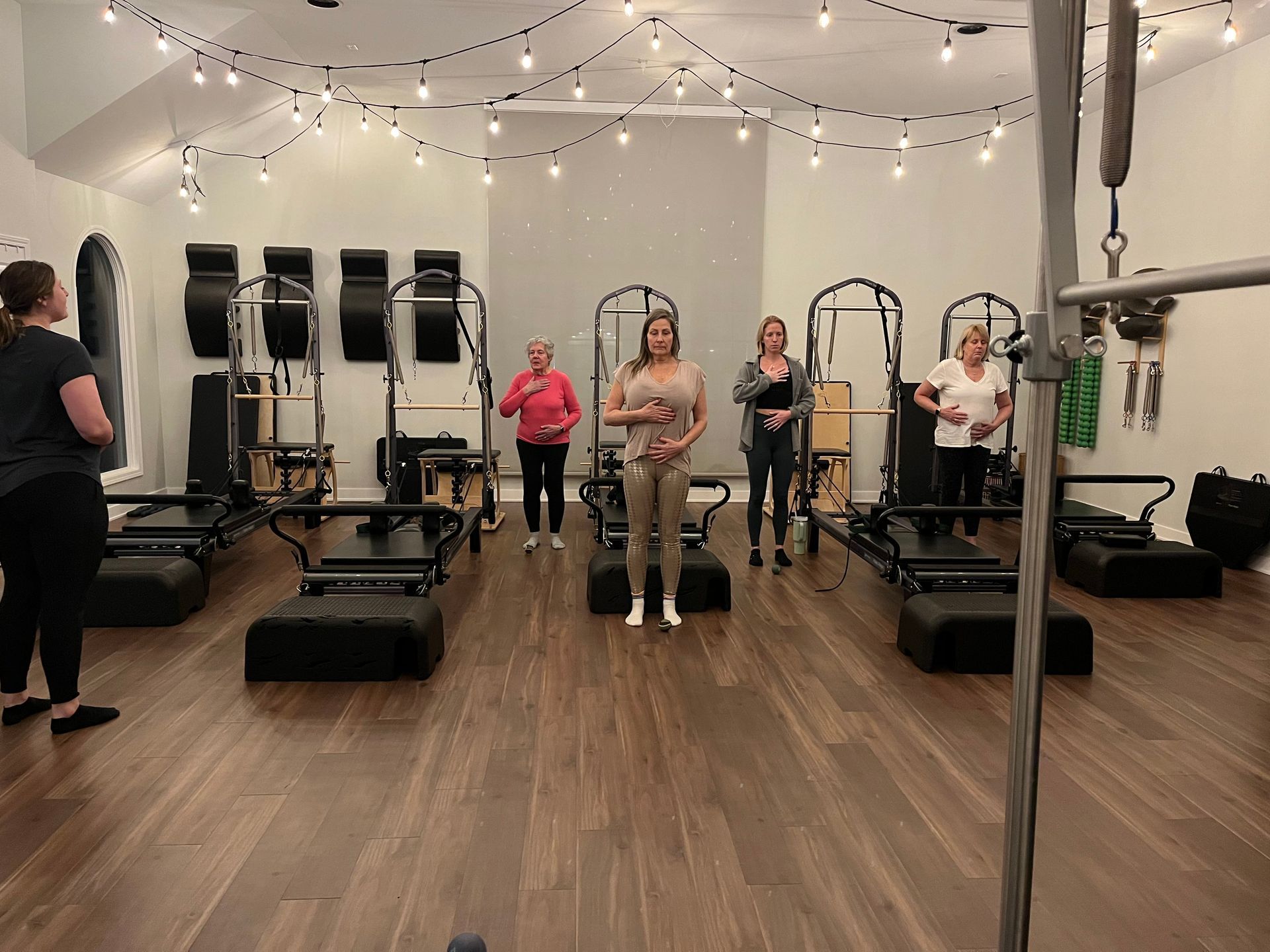
Additionally, you consciously use your diaphragm to take deepening breaths during diaphragmatic breathing. When breathing normally, your breaths are shallower, and your lungs are usually not used to their fullest capacity. Diaphragmatic breathing, also known as belly breathing or abdominal breathing, involves breathing from the diaphragm.
Deep Belly Breathing: Enhancing Vitality
Why is the concern for deep belly breathing top of mind for many? In addition to providing a calming effect, the benefits of deep belly breathing can include:
- Enhancing the mind and body connection
- Increased oxygen to the body
- Helping to reduce depression and anxiety symptoms
- Potential for lung capacity and functionality
It has also been suggested that deep belly breathing can aid with digestion, potentially helping to lower constipation, supporting digestion, and creating efficiency within the bowels.
Conscious Breathing: Cultivating Awareness
Becoming aware of your breathing pattern and your breath is many times the first step. You may wonder how can I make this a technique if I am not even sure if I am aware to begin with? The first step in conscious breathing is the attempt at becoming aware. The actual practice of paying attention and focusing on awareness is the beginning step for mindfulness(this is often the first step with Mindful Meditation as well).
Breath Control Exercises for Different Practices
The Role of Breath in Pilates
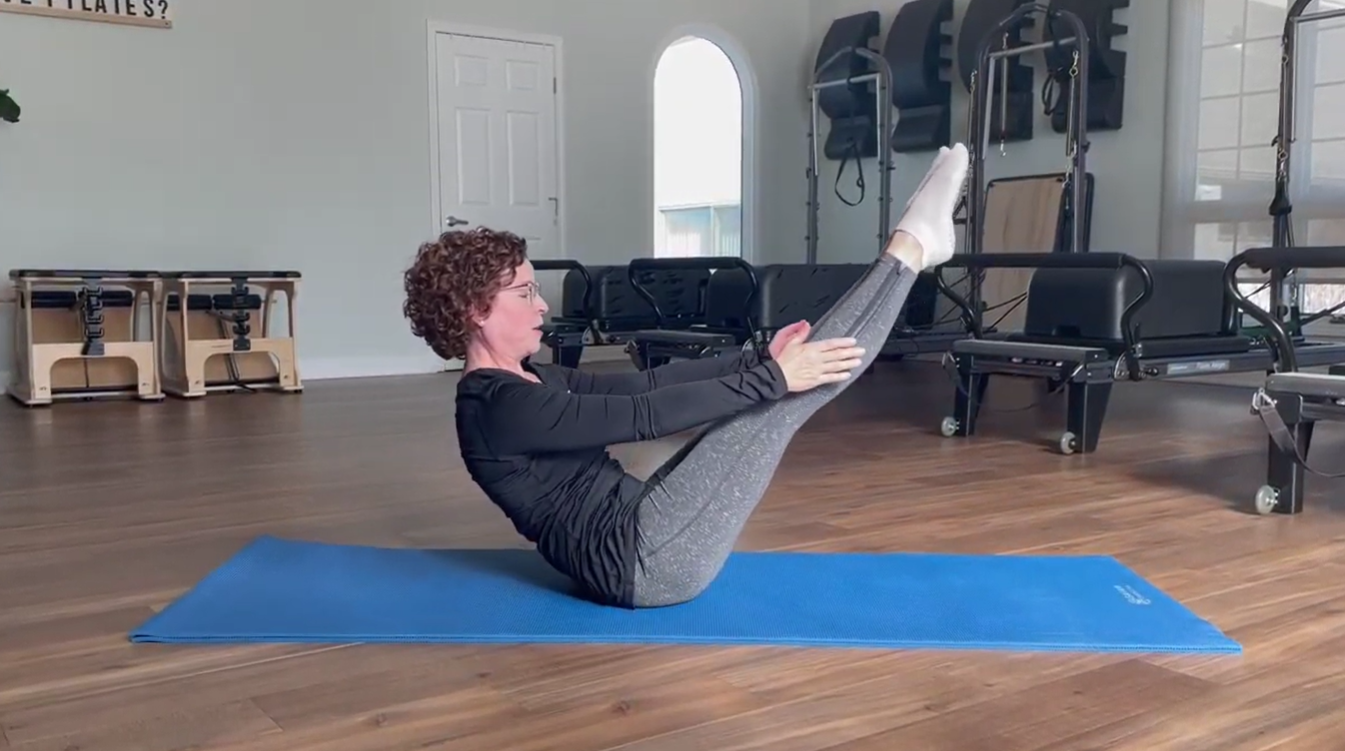
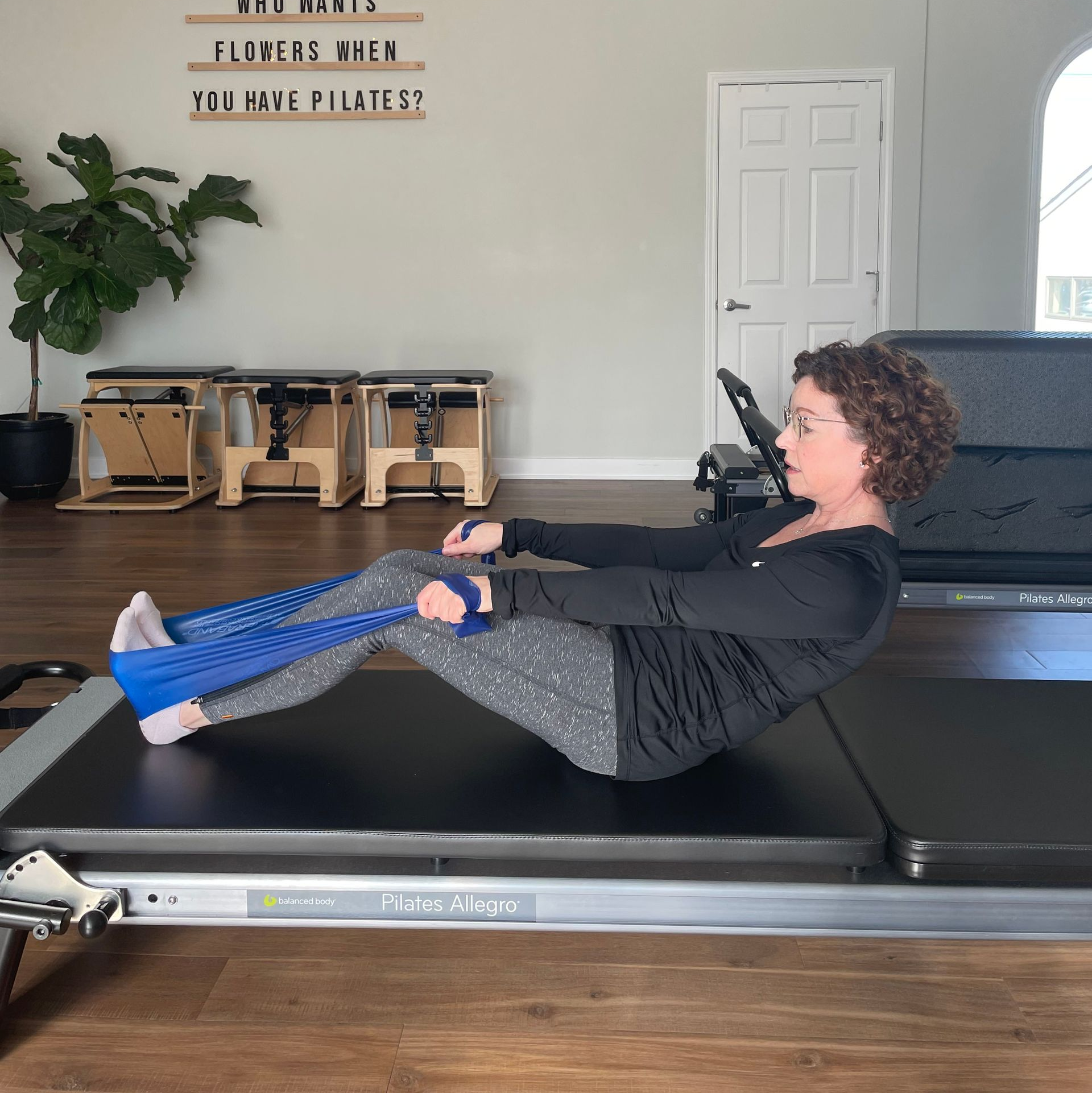
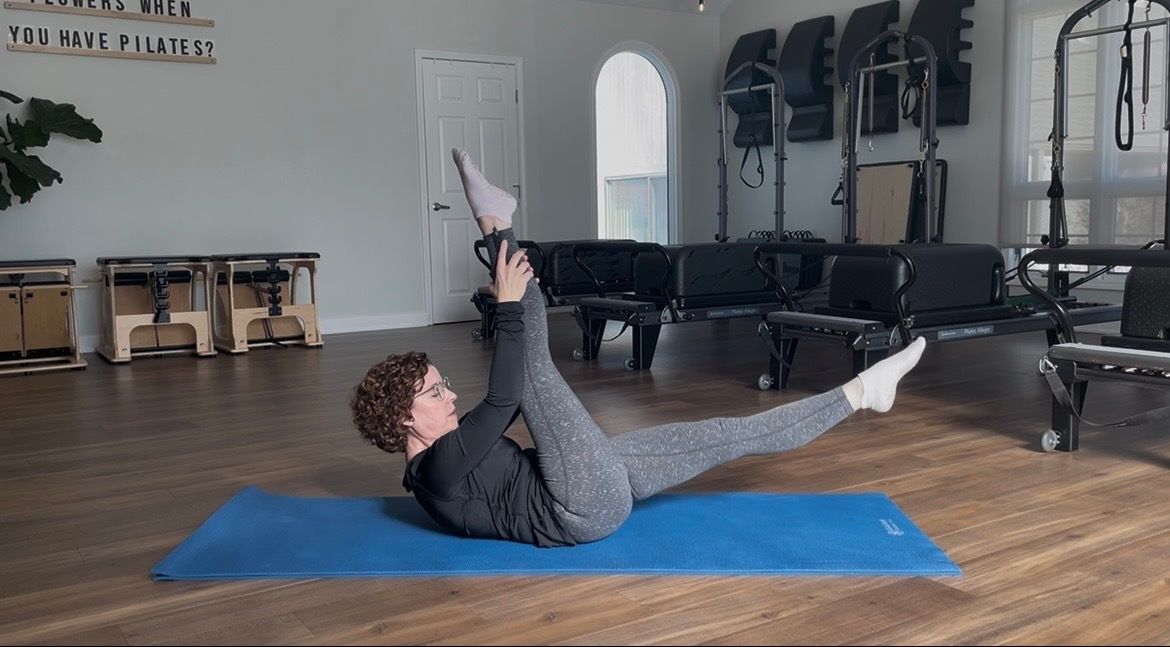
Based on the six principles(also known as the Basic Pilates Principles), Pilates consists of breathing, control, accuracy, centralization, concentration, and flow. We have previously talked about control, accuracy, and concentration, but we have not delved into the importance of breathing until now.
Breath Control in Pilates: Synchronizing Movement
If you are new to your Pilates practice, you may wonder why there is such an emphasis placed on breathing “correctly” during your practice. Breathing during a Pilates class or session does not need to be exaggerated, though oftentimes instructors will focus on specifics with breathing to either get you through a session or count in time with specific Pilates exercises to help establish desired rhythms. As noted in Pilates Anytime, the importance of Pilates instructors offering cues about when, where, and how to breathe is crucial, as breathing is important for oxygenation of the body and circulation, ensuring the body is in the correct position to perform the exercises effectively and safely.
A famous quote attributed to Joseph Pilates, “Breathing is the first act of life, and the last… above all, learn how to breathe correctly." Pilates attributed his asthma to his childhood and was known to place great emphasis on the breathing principle within the Pilates practice. Though many practitioners and instructors have varying methods for breathing, the importance of breathing is truly what should be noted, and to not hold one’s breath during specific movements/exercises.
Breath Control in Yoga: Flowing with Energy
Yoga, which can reduce muscle tension, improve flexibility, and strengthen core muscles, is often practiced in sequence with breathing. The synchronization of movement corresponds to the simultaneous transition between inhalation and exhalation. This is not only important from a movement perspective, but the practice can become a meditative-like experience or feeling, with a type of fluidity. Yoga breathing and flow are often coordinated with specific movement or movement goals.
Key Characteristics
Breath-Synchronized Movement: Each movement transitions smoothly from one pose to the next with an inhale or exhale.
Fluidity: The practice moves continuously, creating a dance-like, meditative experience.
Variety: Flows can be customized for specific goals like hip opening, core strength, or full-body workouts.
In addition to core stabilization and strengthening, a recent Life Journal article notes that breathing during yoga can help promote mental stability, alleviate imbalances between the body and mind, improve muscle strength and flexibility, and protect the body from stress-related diseases. Additionally, recent publications have shown that yoga can help with post-traumatic stress disorder (PTSD) when used as an add-on treatment to help reduce intrusive memories and emotional arousal and to produce calmer, steadier breathing. Associated with calmer states, deep, slow breathing helps activate the parasympathetic nervous system.
When beginning an exercise program or a new fitness routine, the focus is often on cardio or aerobic exercises to improve cardiovascular health. Though these exercises are important (and we are not suggesting stopping or diminishing current fitness routines), what seems to be gaining traction as an alternative or accompanying type of exercise is Yoga, specifically Yoga poses when combined with meditation and breathing exercises and techniques.
The Significance of Breath in Meditation
Breath Control in Meditation: Finding Stillness
Embracing stillness is not always something that sits comfortably with many. In fact, many people are unsure of trying meditation or breath control practices due to the discomfort or anxiousness of “being still”. But as many meditation instructors point out, starting somewhere and starting with the breath is what’s important. Again, the breathing techniques can vary (as described above), but just spending time focusing on the inhale and exhale is where many in meditation started. Diane Winston of Mindful provides pointers on how to begin with breath control in meditation.
- Find a relaxed, comfortable position.
- Notice and relax your body.
- Tune into your breath.
- Be kind to your wandering mind.
- Stay here for five to seven minutes.
- Check in before you check out.
Still not sure how to begin? Starting somewhere and picking one area to focus on is truly the starting point of finding stillness in Meditation.
Mindful Breathing Techniques for Calmness
There are a variety of breathing techniques, and though you may hear one technique works better than the other, what is important to remember is that the technique that YOU feel most comfortable with should be the technique you use. Breathing has a direct relationship in “keeping calm” or instilling calmness. As Calm notes, there are specific exercises you can use to calm anxiety. Those include:
- Extend your exhale
- Practice belly breathing
- Try an affirmation
- Try box breathing
- Use resonant breathing
- Explore yogic breathing(also known as alternating nostril breathing)
- Use a numbered rule technique. Breathe for a number of seconds, hold for a number of seconds, exhale for a number of seconds.
Begin With Your Breathing Practice
Whether the focus is on breathwork in Pilates, Meditation, or Yoga, breathing techniques and breath control are important and should not be ignored. The benefits of focusing on breath control and techniques are not just limited to physical aspects. Relationshift discusses the benefits and the importance of the benefits of focused breathing in meditation:
- Increased sense of well-being
- Reduced anxiety
- Improved focus
- Improved mental cognition
- Greater creativity
- Enhanced immune system
- Healthier relationships
Ultimately, beginning a breathing practice is just that-starting somewhere. If you’re looking to dive deeper into breathwork and breathing techniques
join us at Rise for meditation. Exploring your breathwork is a great place to start. We'll see you soon, and stay calm.