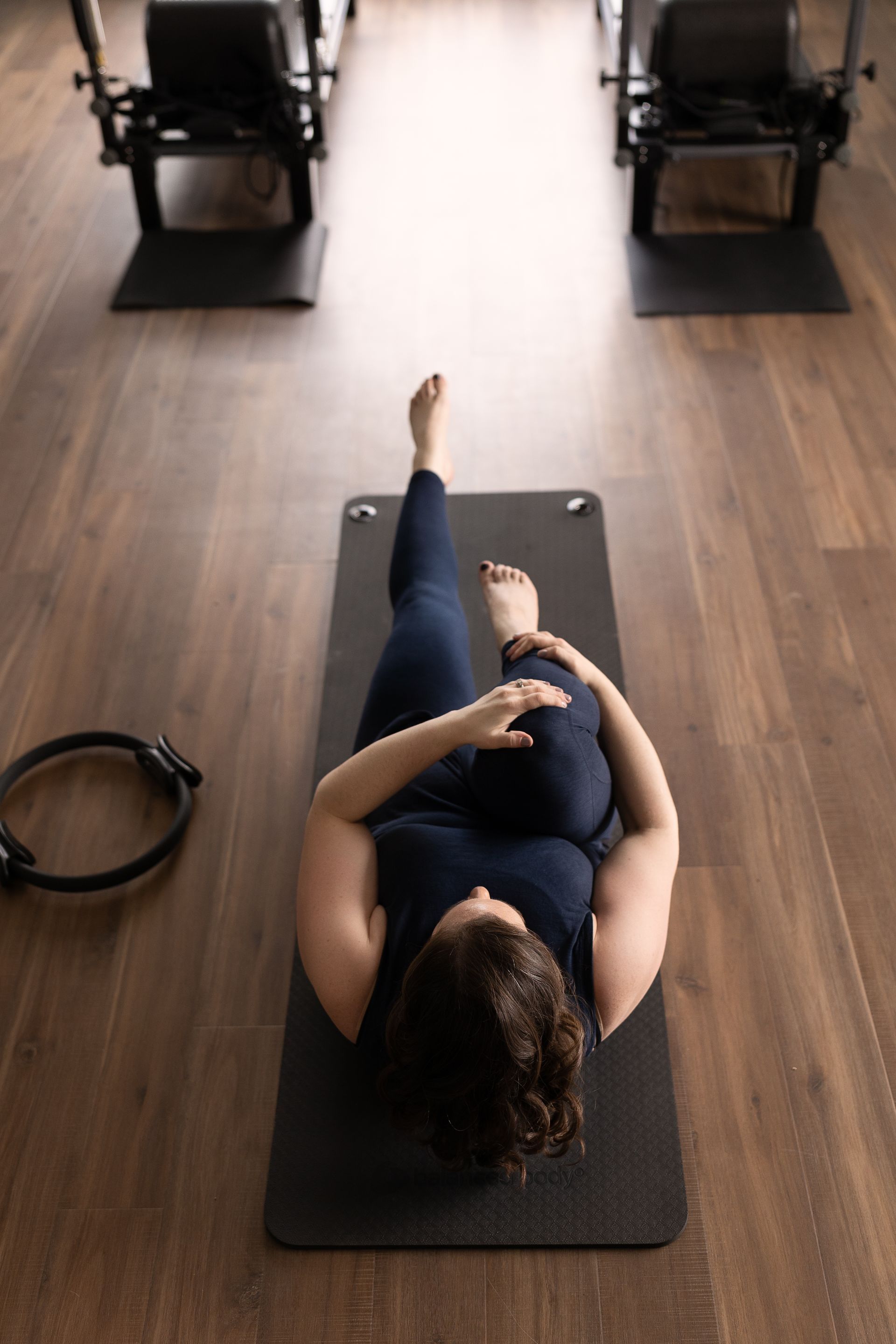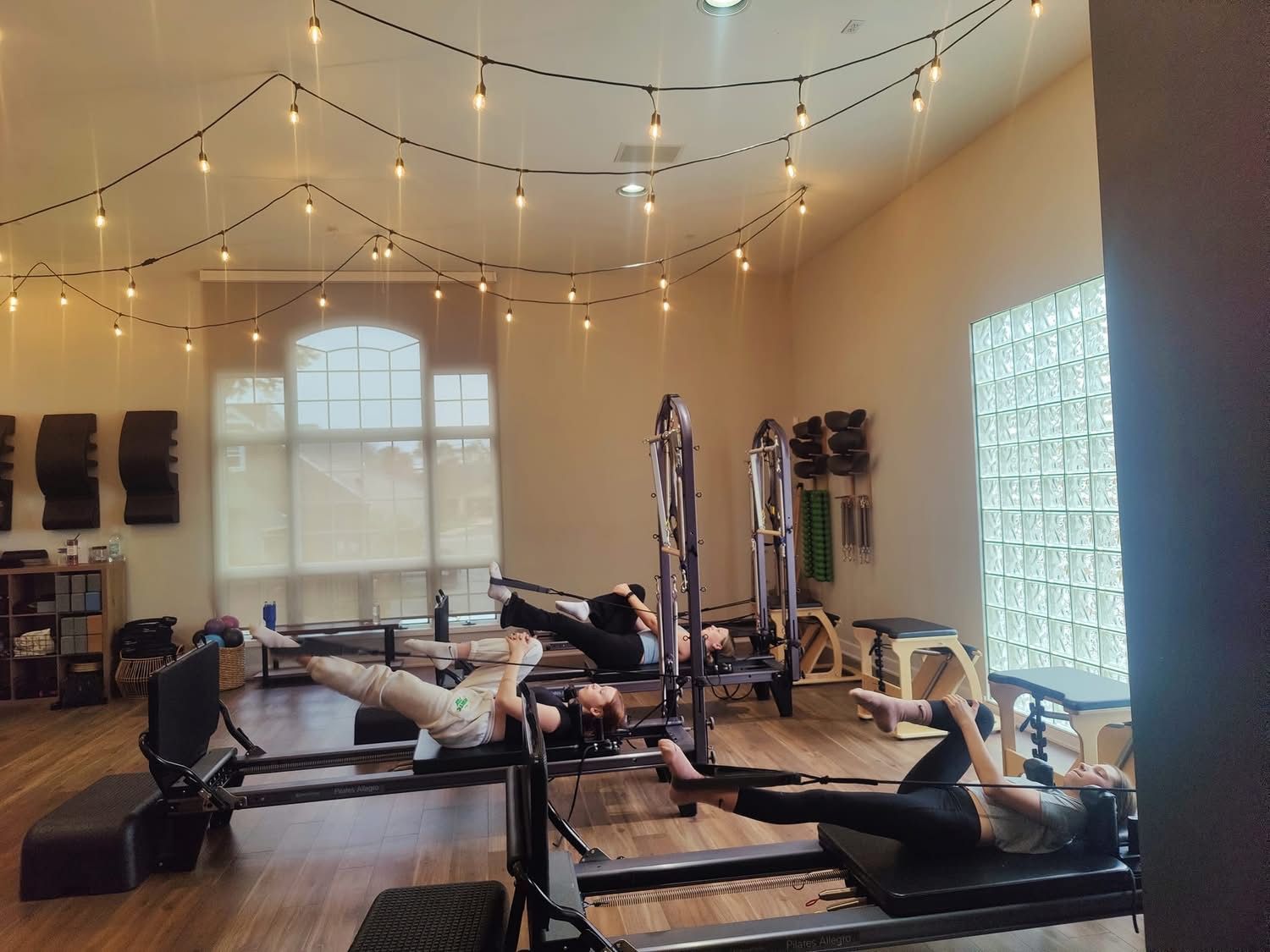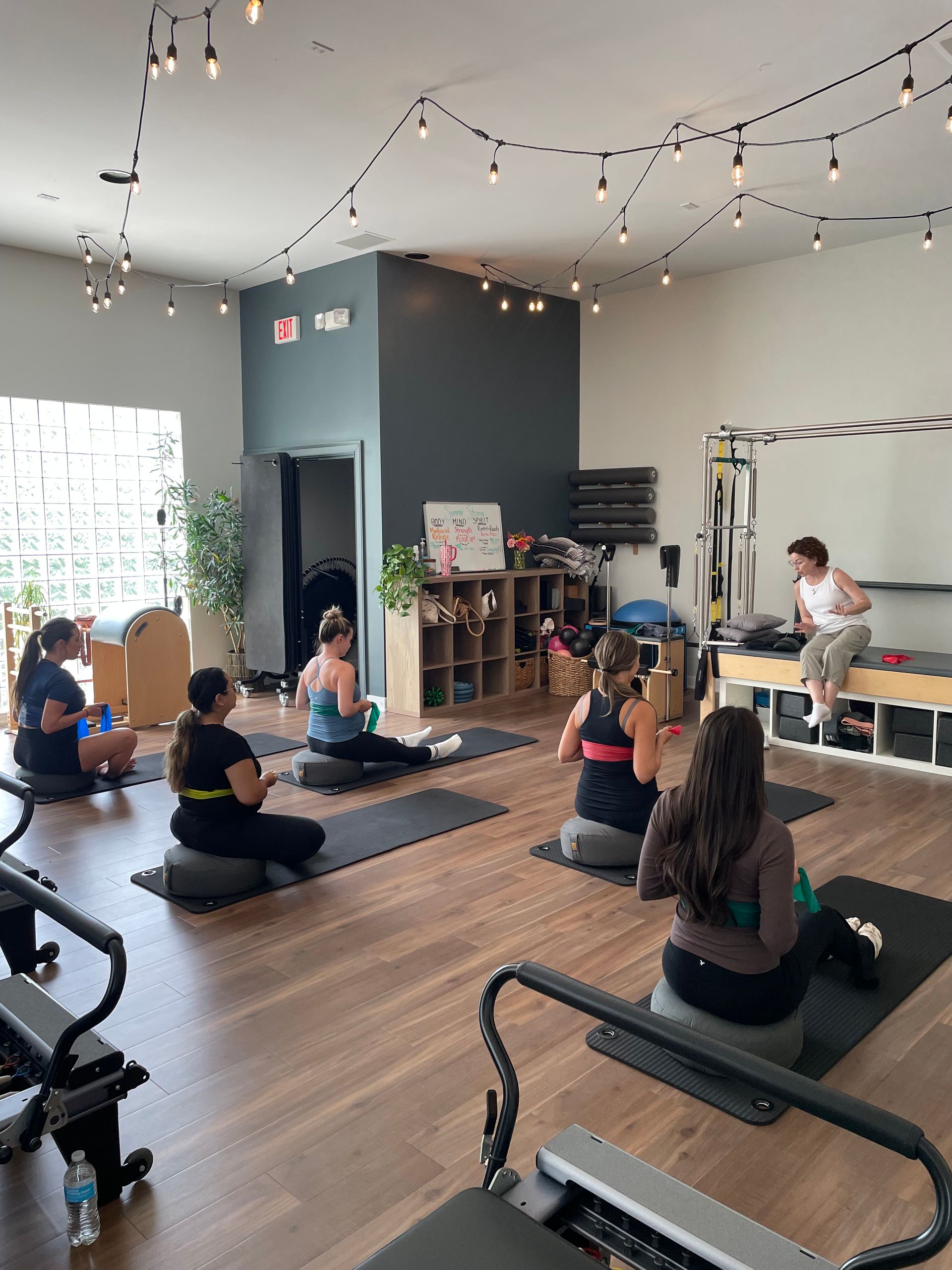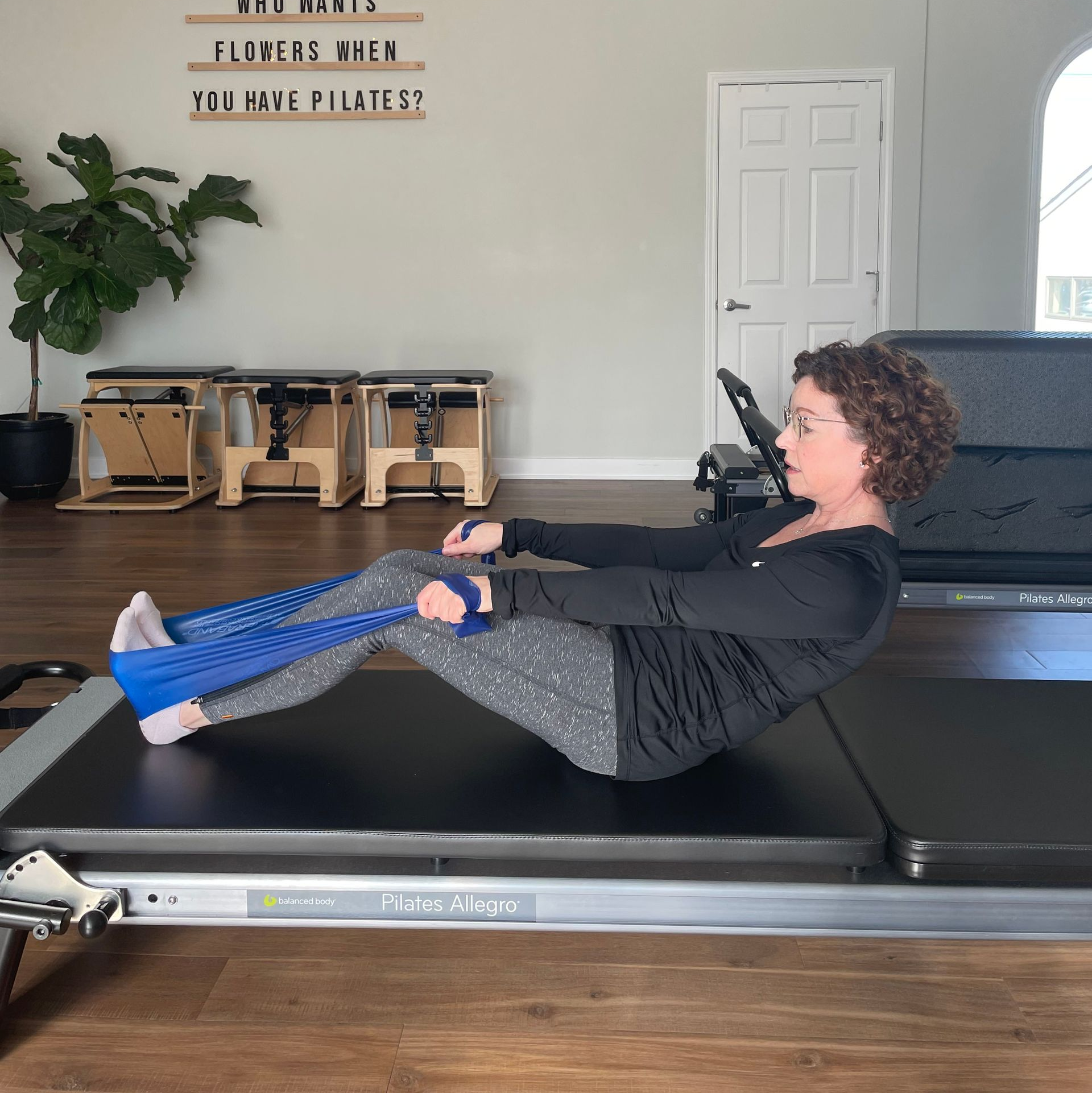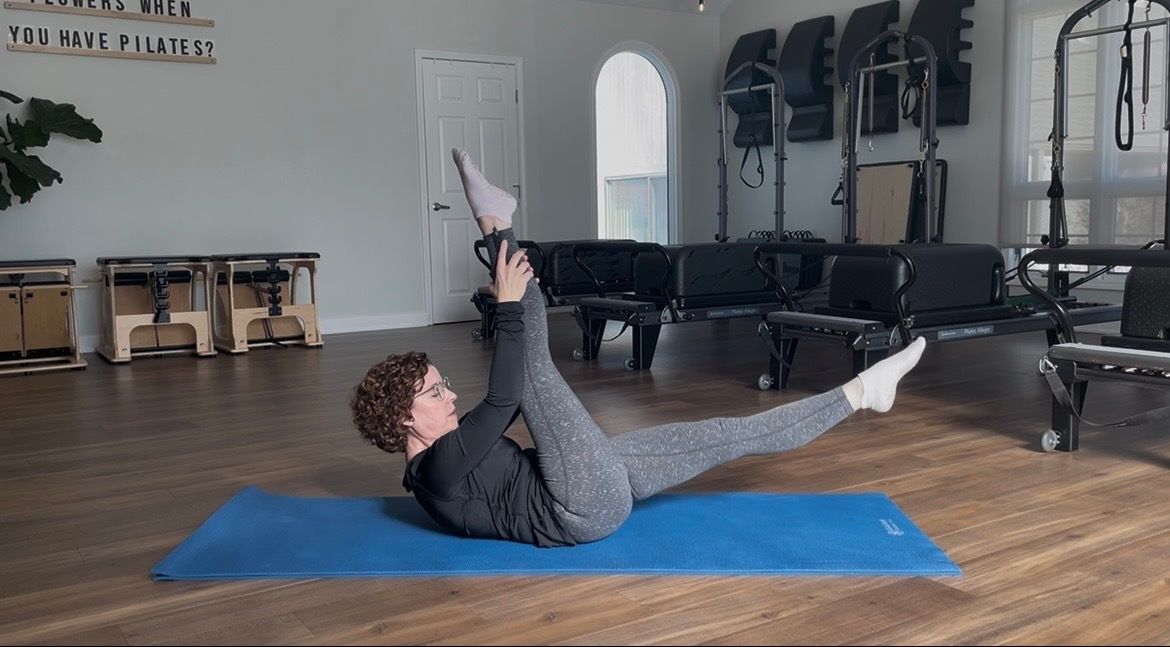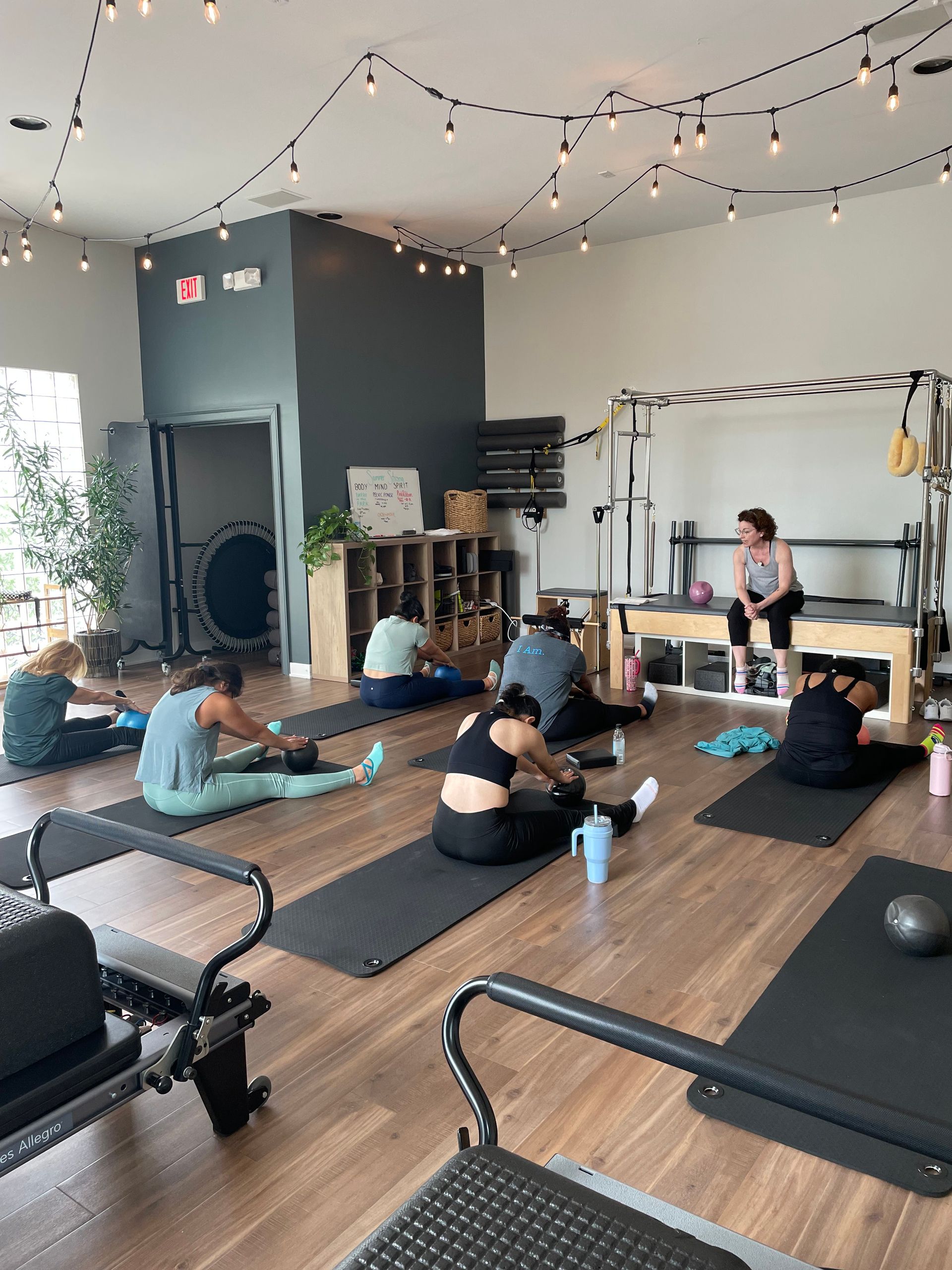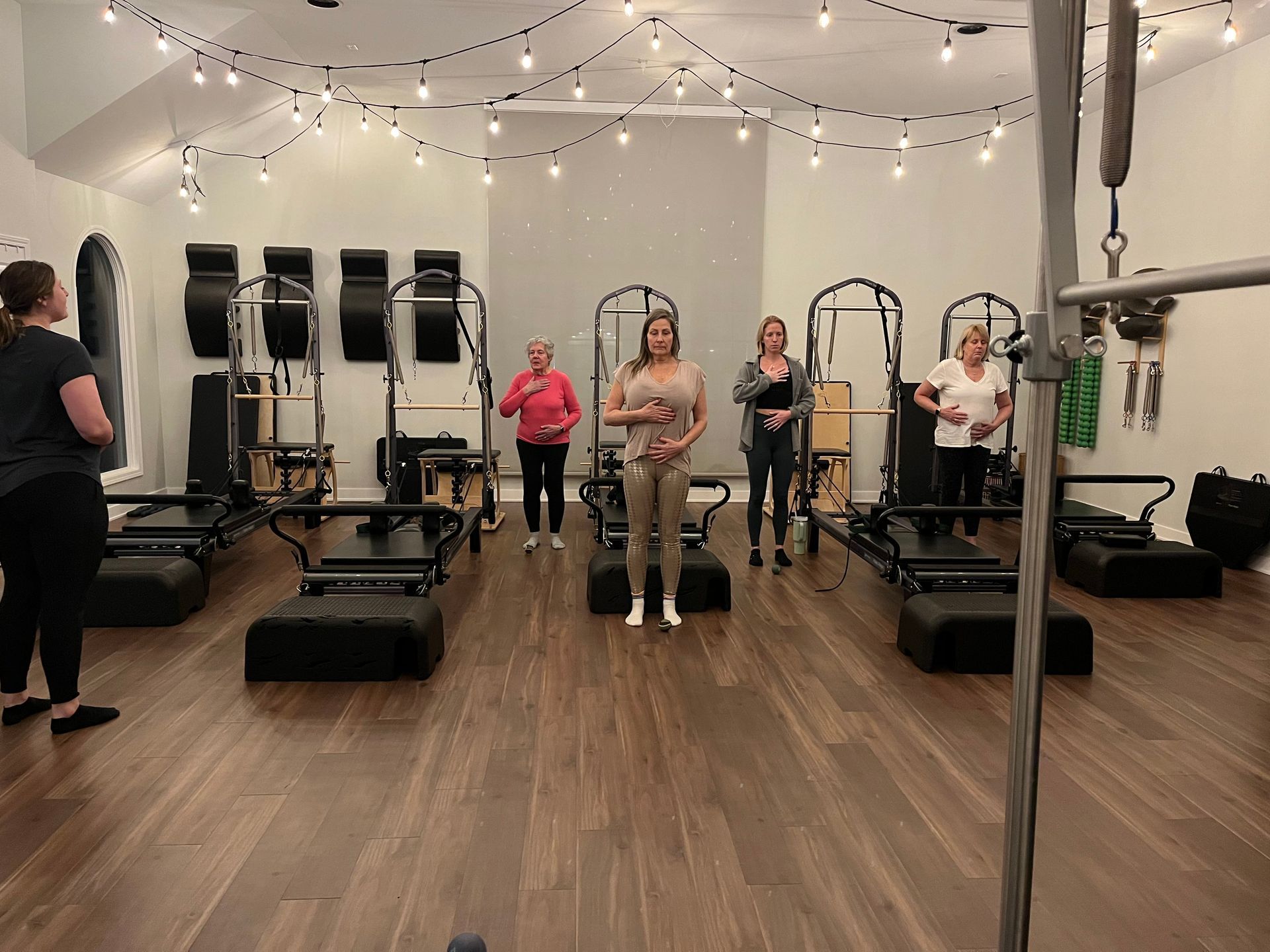
Why Learning Classical Pilates Changes Everything
How a century-old movement system became the gold standard for lasting mobility and strength.
In an age of high-intensity workouts, fitness apps, and ever-changing exercise trends, one practice has remained consistently effective for more than 100 years. Classical Pilates — the original movement system developed by Joseph Pilates in the 1920s— is not simply another fitness method. It is a foundational framework for how the human body is meant to move. Understanding why learning the practice of it matters requires examining both the science and the philosophy behind it.
The Problem with How Most People Move
Modern life is a slow assault on the body's natural movement patterns. Prolonged sitting, forward-facing posture, repetitive strain from desk work, and the general absence of varied, intentional movement create a predictable set of problems: weakened deep stabilizing muscles, compressed spines, tight hips and hamstrings, and a gradual disconnection from the body's own signals.
These are not minor inconveniences. They can be the root causes of the chronic pain, limited mobility, and vulnerability to injury that affect millions of adults of all ages. The question is not whether the body has been compromised by modern habits — for most people, it has. The question is what to do about it. Classical Pilates offers a systematic, research-supported answer.
What Classical Pilates Actually Is
Joseph Pilates called his method Contrology — the art of control. The classical system is built on six core principles: concentration, control, centering, flow, precision, and breath. These are not abstract concepts — they are specific instructions for how to execute each exercise in a way that produces genuine neuromuscular change. Learning classical Pilates means learning these principles, not just the shapes of the exercise.
"He (Joseph Pilates) recognized that motor functions of the brain control the mobility and stability of the body, activating specific muscles in a functional sequence at controlled speeds and emphasizing quality, precision, and control of movement." — Journal of Orthopaedic & Sports Physical Therapy, 2012
The Science of Why It Works
Research increasingly confirms what classical Pilates teachers have observed for decades. A review published in the journal Muscles, Ligaments and Tendons found consistent evidence that Pilates exercises activate and strengthen the deep stabilizing muscles of the trunk — including the transversus abdominis, multifidus, and diaphragm — which are the key organizational muscles for efficient, pain-free movement. A 2024 study published in Frontiers in Physiology compared experienced Pilates practitioners with beginners using Functional Movement Screening (FMS) — a standardized tool for assessing movement quality. Experienced practitioners scored significantly higher across virtually every category, including deep squat, hip mobility, shoulder mobility, and active straight leg raise. These are not gym-specific metrics — they are measures of how well the body moves in everyday life. A 12-week study published in the Journal of Strength and Conditioning Research (Kloubec, 2010) found statistically significant improvements in abdominal endurance, hamstring flexibility, and upper-body muscular endurance among participants who practiced mat Pilates twice per week — using no equipment other than a mat.
Pilates as a Foundation, Not a Supplement
One of the most important things to understand about classical Mat Pilates is that it is not a supplementary activity to add alongside your real workout. For many people, it is the foundation upon which every other physical activity becomes safer, more effective, and more sustainable. Athletes who integrate Pilates into their training report improved proprioception, reduced injury rates, and greater efficiency of movement. The IDEA Health and Fitness Association notes that Pilates enables athletes to develop dynamic flexibility while simultaneously improving core strength — creating the conditions for better performance across virtually every sport and physical discipline. But the benefits extend far beyond athletic performance. For the person who wants to walk without lower back pain, garden without hip stiffness, or simply move through their day with greater ease and confidence, classical Pilates offers precisely the kind of integrated, whole- body strengthening that isolated gym exercises cannot replicate.
Why Learning — Not Just Doing — Matters
There is a meaningful difference between doing Pilates exercises and learning classical Pilates. The method is a progressive system: each exercise builds on the understanding and strength developed in the previous one. Learning the sequence — understanding why each
movement exists, what it is training, and how it connects to the whole — transforms the practice from a workout into genuine body education. This is why classical Pilates teachers speak of the work as a practice in the deepest sense. Like learning a language or a musical instrument, the more you understand, the more capable you become — and the more clearly you can feel the difference in your body.
Whether you are beginning at 25 or 75, returning after injury, or simply ready to move better, learning classical Pilates is an investment in the most fundamental form of fitness there is: the ability to inhabit your own body with strength, ease, and intention.
SOURCES
1. Pata, R. et al. (2012). Pilates: What Is It? Should It Be Used in Rehabilitation? Journal of Orthopaedic & Sports Physical Therapy. PMC3445206
2. Kim, H.S. et al. (2024). Comparisons of functional movements and core muscle activity in women according to Pilates proficiency. Frontiers in Physiology. doi:10.3389/fphys.2024.1435671
3. Kloubec, J.A. (2010). Pilates for improvement of muscle endurance, flexibility, balance, and posture. Journal of Strength and Conditioning Research, 24(3), 661–667. PMID: 20145572
4. Wells, C. et al. (2012). Pilates: how does it work and who needs it? Muscles, Ligaments and Tendons Journal. PMC3666467
5. IDEA Health & Fitness Association. (2021). The Science of Pilates Research. ideafit.com