Classical Pilates Is For Every Person
The research-backed case for why age, body type, and fitness level are never barriers to this practice.
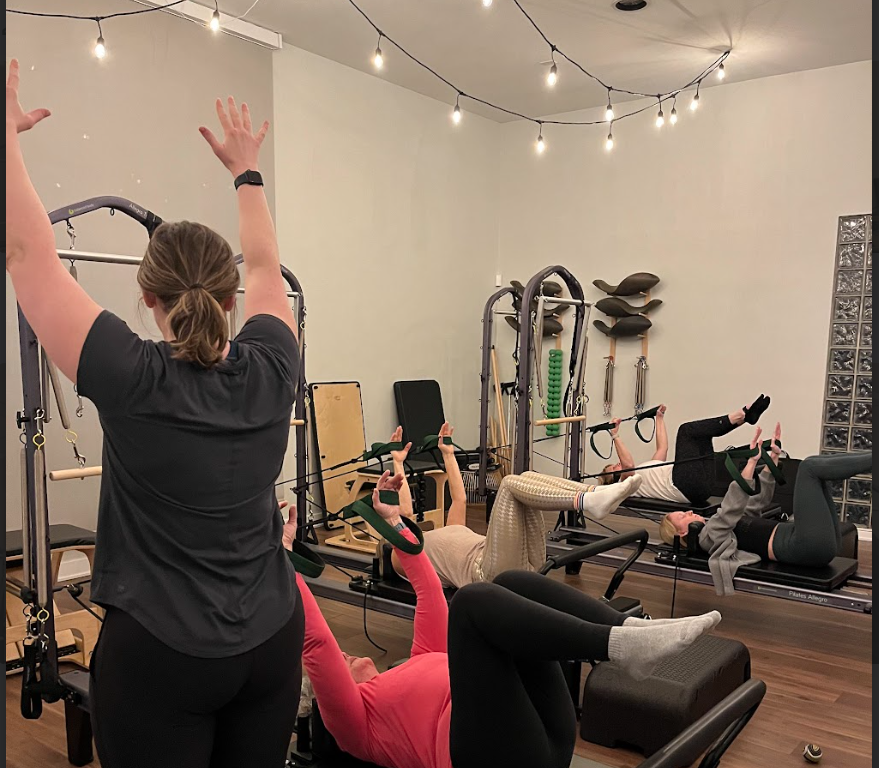
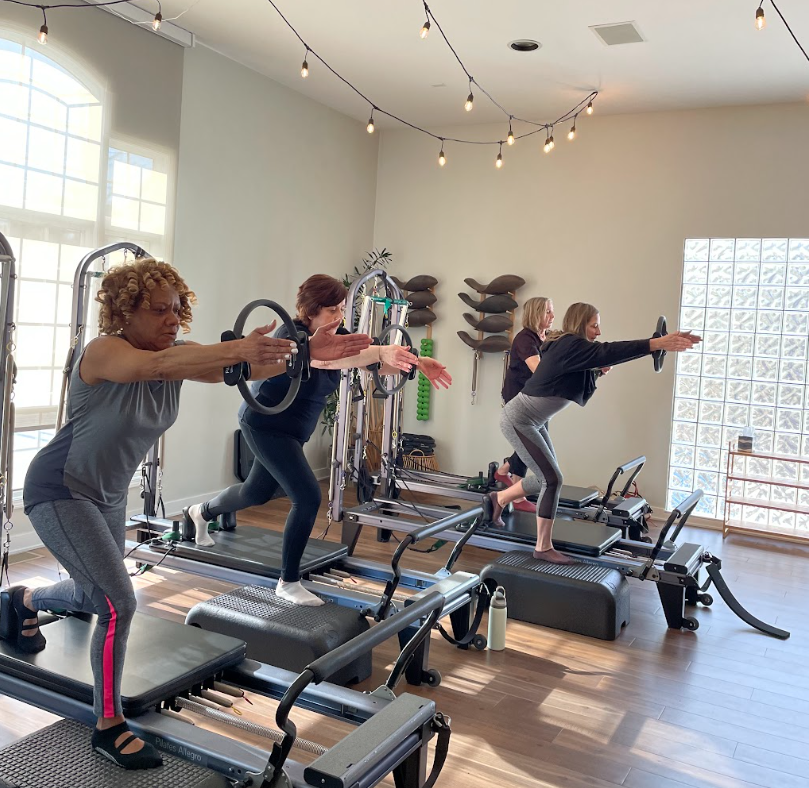
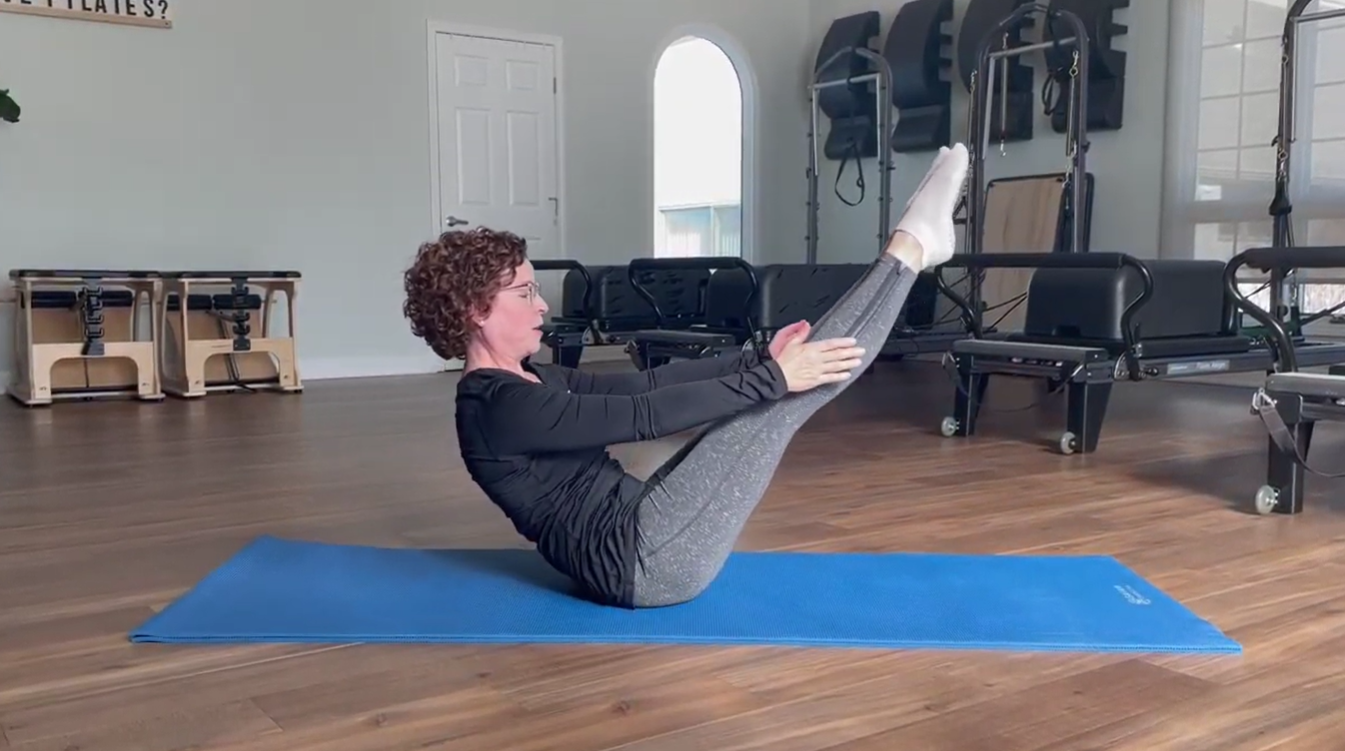
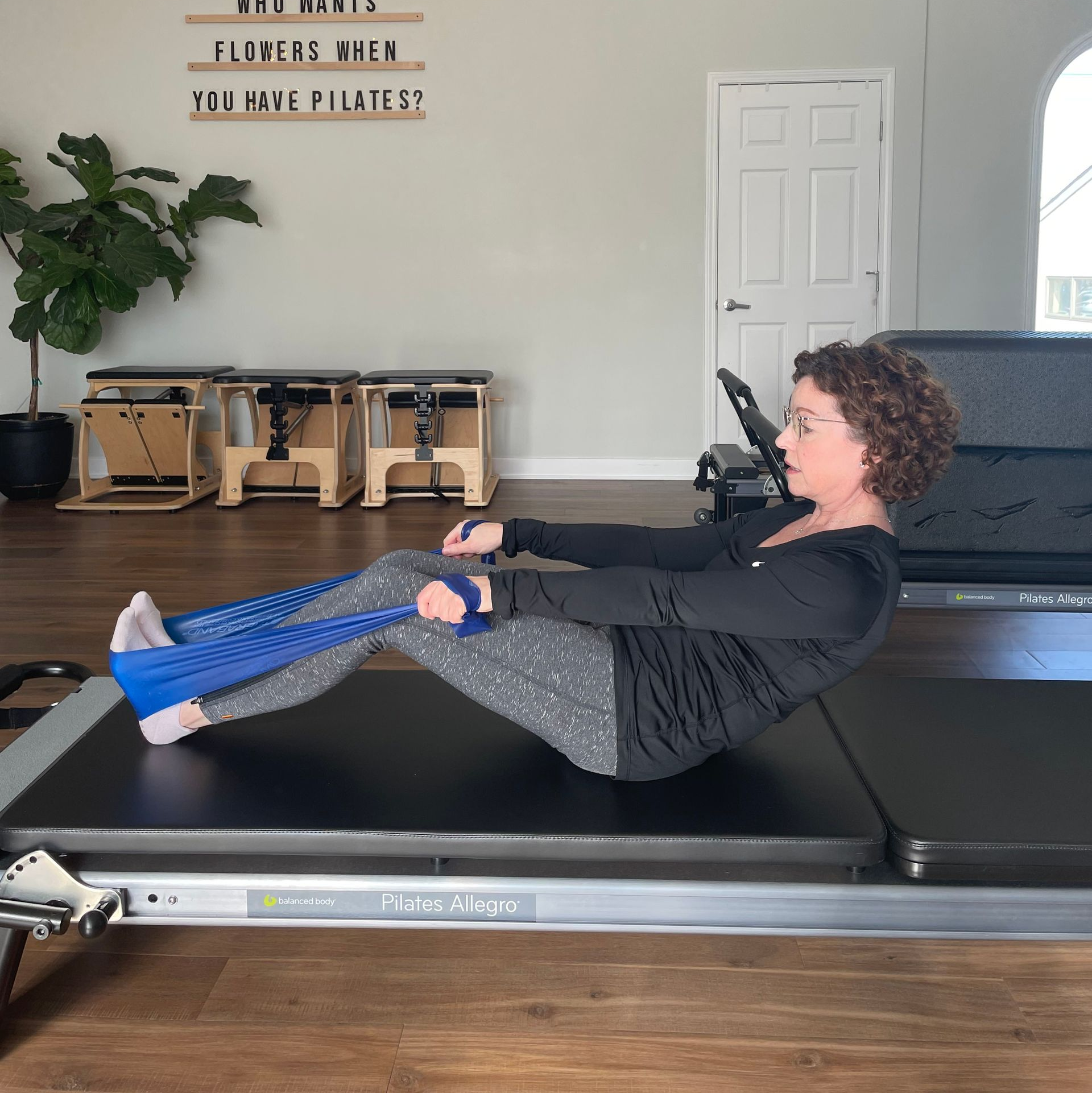
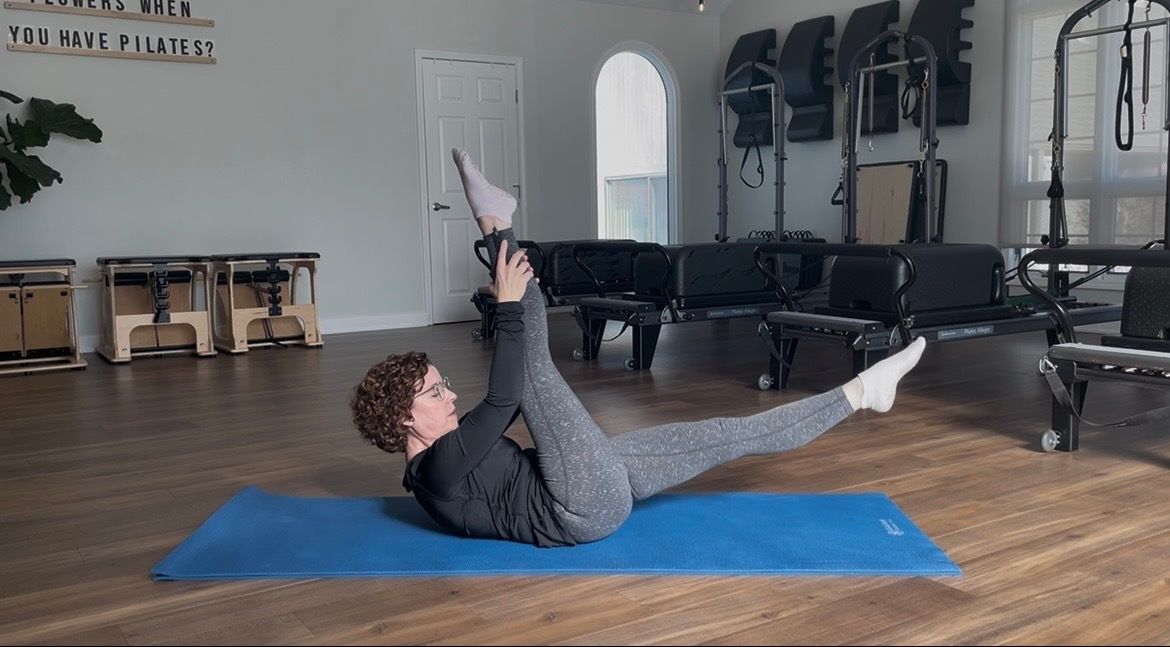
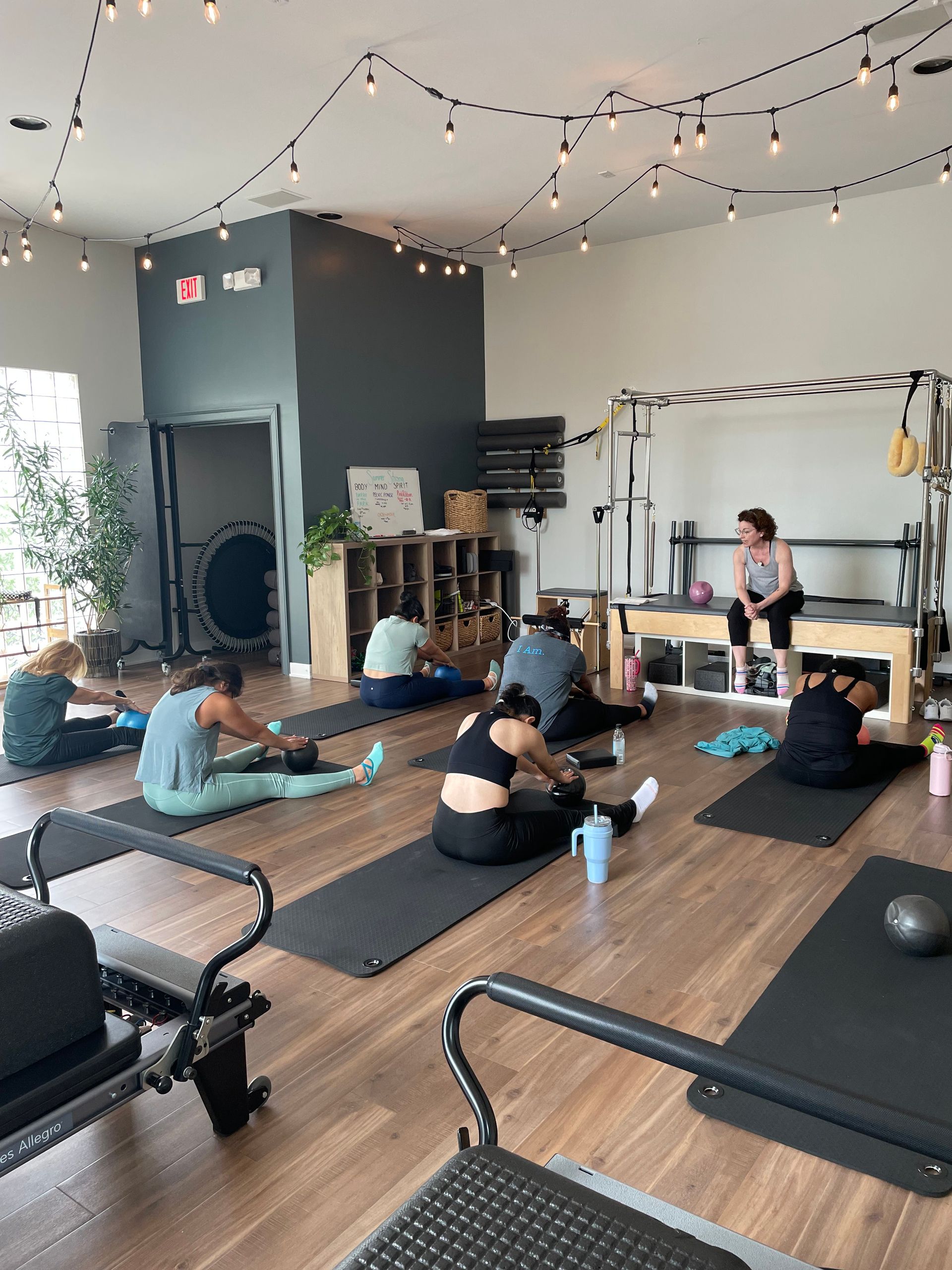
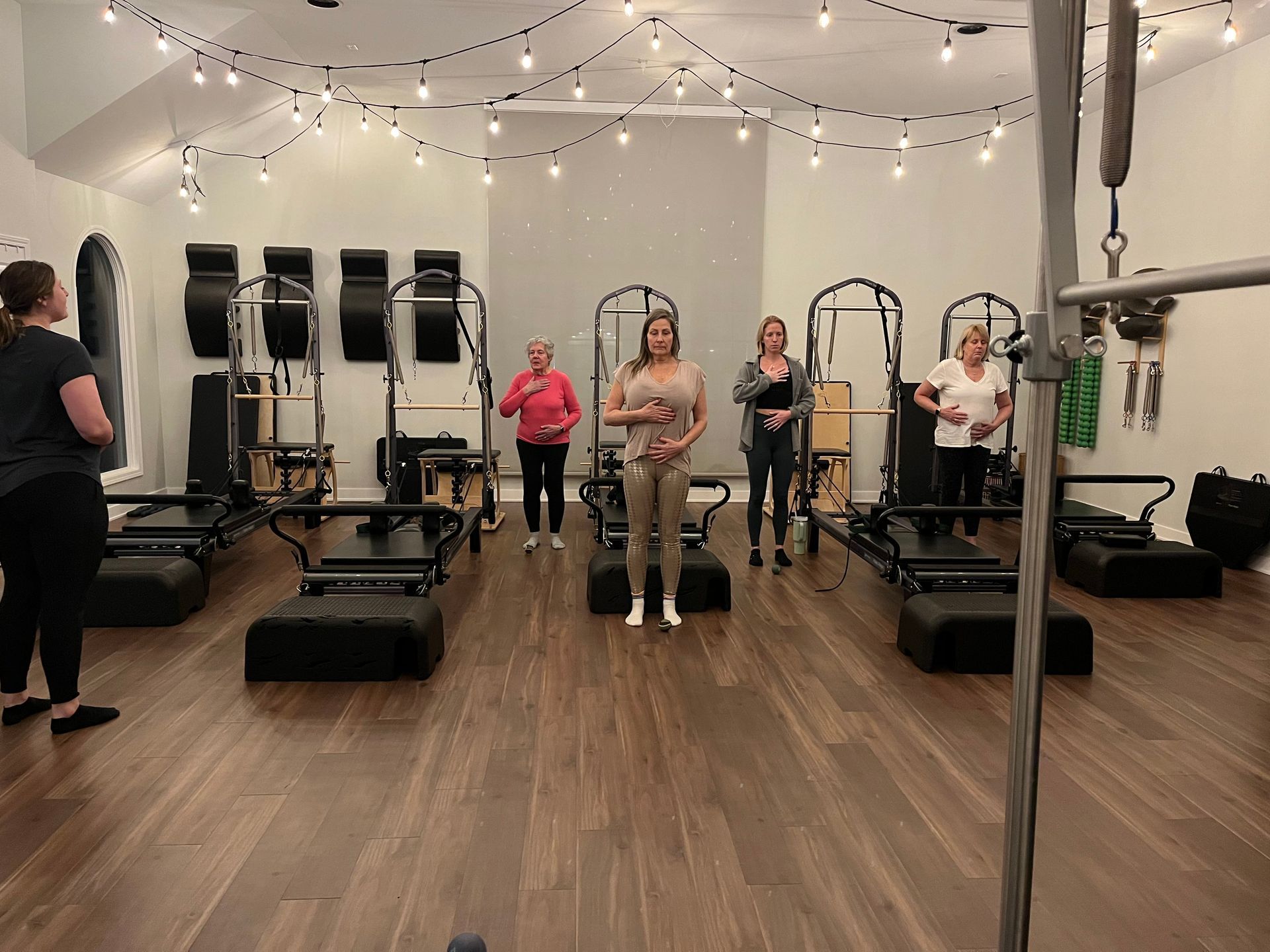
Perhaps the most persistent myth surrounding classical Pilates is that it is designed for a particular type of person — young, lean, flexible, already fit. This impression, shaped partly by how the practice has been marketed and partly by a misunderstanding of its origins, is not only inaccurate but directly contradicts the philosophy and history of the method itself.
Joseph Pilates did not develop his system for athletes or performers. He developed it for people who were hurt, ill, aging, and physically compromised. From the very beginning, classical Pilates was built to serve all bodies — and a growing body of research confirms that it does.
Why the Body Needs Classical Pilates at Every Age
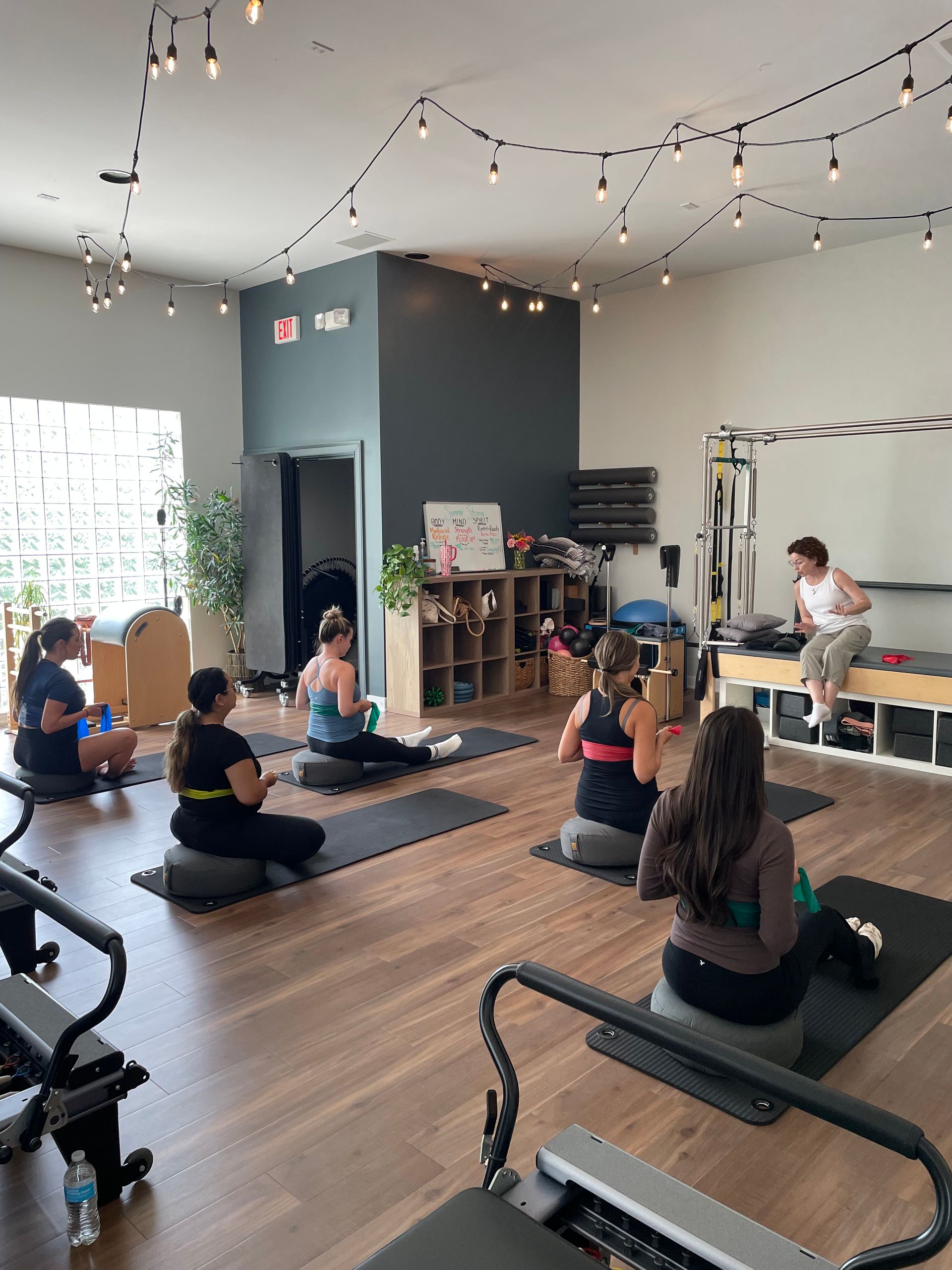
The benefits of Classical Pilates are not age-specific — they address the fundamental needs of the human body at every stage of life. The reason the practice is so effective across generations is that its core principles — spinal mobility, deep core stability, breath coordination, and controlled movement — are relevant to every body that lives, moves, and ages.
For younger people, learning classical Pilates establishes the postural habits, body awareness, and movement intelligence that protect against a lifetime of musculoskeletal problems. For older adults, it addresses the specific physiological changes of aging — loss of muscle mass, decreased balance, reduced joint mobility — that threaten independence and quality of life.
Adolescents and Young Adults: Building the Right Foundation
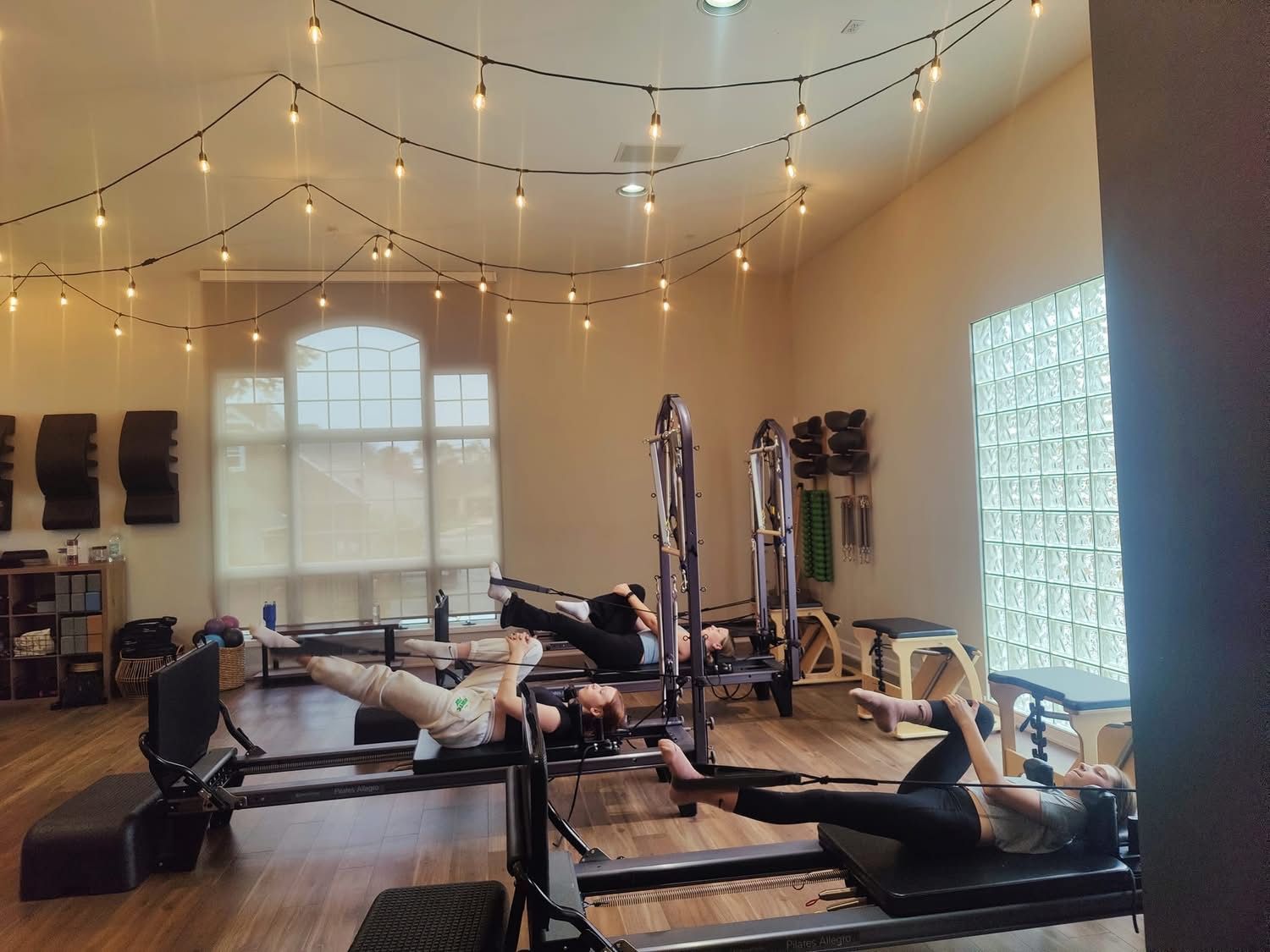
The teenage and young adult years are when postural habits are formed and when repetitive strain injuries from sports and screen time begin to accumulate. Learning classical Pilates during these years builds the deep core awareness and structural alignment habits that serve the body for decades. Athletes who integrate Pilates in their teens and twenties develop the proprioceptive intelligence and muscular balance that dramatically reduce injury risk — not just in youth sports, but throughout their movement lives.
Working Adults: Reversing the Damage of Desk Life
For adults in their thirties, forties, and fifties, the effects of sustained sitting, poor posture, and reduced movement have typically become tangible. Lower back pain is one of the most common reasons adults seek medical care worldwide — and research published in Healthcare (2023) found consistent evidence that Pilates interventions improve core muscle activation and reduce pain and disability in people with chronic low back pain, performing at least as well as equivalent exercise programs.
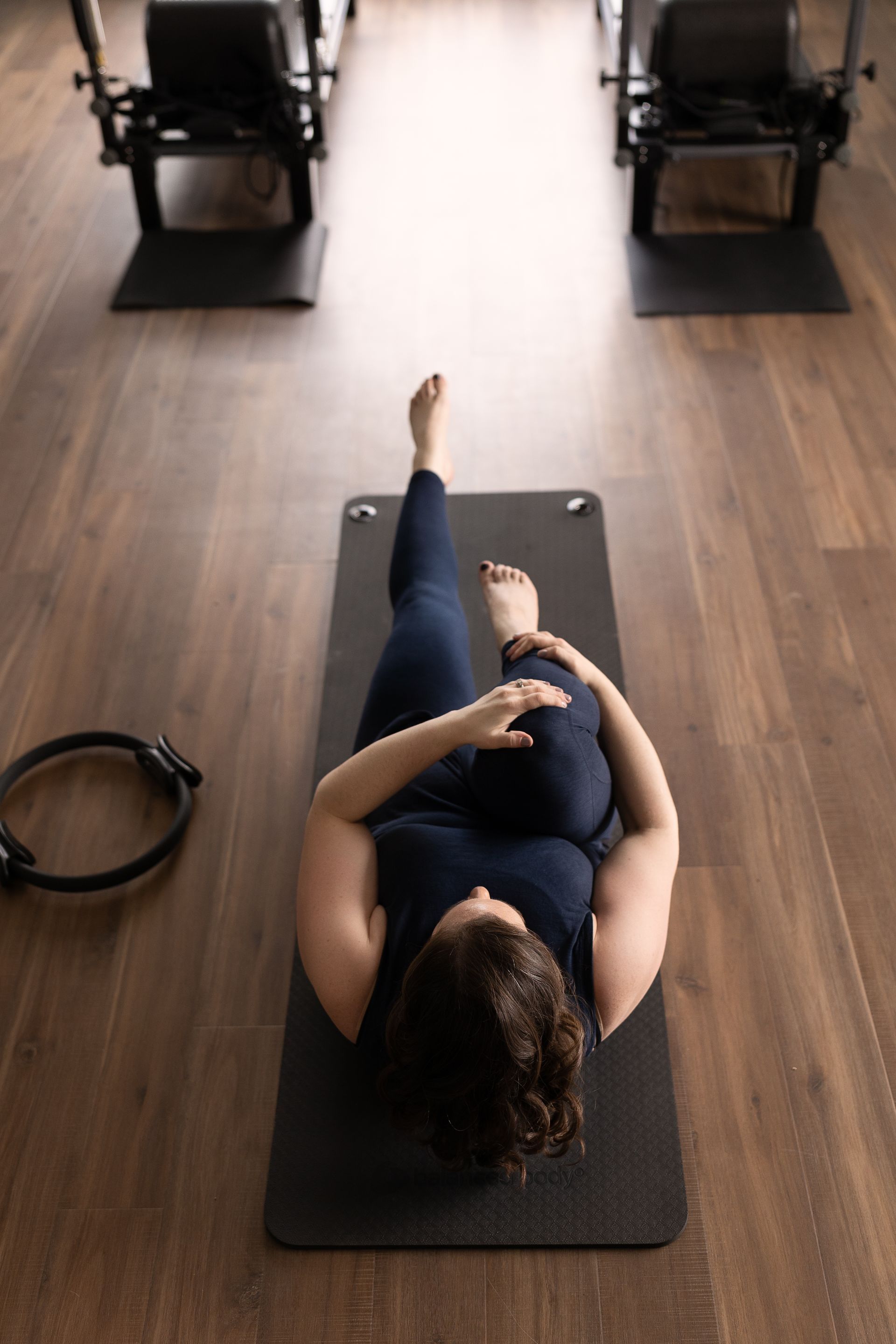
The mat exercises directly address the muscular imbalances that desk work creates: weakened deep abdominals and glutes, tight hip flexors and chest muscles, and the forward-rounded postural pattern that loads the spine unevenly. Learning the mat sequence is not simply an exercise program for this population — it is a targeted corrective intervention.
Older Adults: Mobility, Balance, and Independence
The evidence for classical Pilates as a meaningful intervention for older adults is particularly compelling. Falls are the leading cause of injury-related deaths in older adults, and maintaining balance and functional mobility is among the most critical health priorities for this population.
A 2021 systematic review and meta-analysis published in Frontiers in Medicine analyzed randomized controlled trials of Pilates in healthy older adults and found that Pilates interventions produced significant improvements in mobility, postural balance, and the fear of falling — key indicators of fall risk. A further 2021 meta-analysis in the journal Physiotherapy, covering 39 studies, concluded that Pilates programs are an effective and safe form of exercise for improving balance, strength, flexibility, and functionality in older people.
"Pilates has been shown to improve lower limb muscle strength, static and dynamic postural balance and functional mobility after completion of a 12-week programme." — Frontiers in Medicine, 2021
A 2022 randomized controlled trial published in the Journal of Bodywork and Movement Therapies found that just 12 weeks of Pilates intervention produced measurable improvements in functional mobility, postural balance, and walking gait in adults with a mean age of 70. Another study found equivalent improvements in just six weeks of twice-weekly mat Pilates practice.
These are not marginal improvements. The ability to walk with better balance, turn without losing stability, and recover from unexpected postural disturbances are differences that directly determine whether an older person lives independently — and whether a fall happens or does not.
Post-Rehabilitation and Special Populations
Classical Pilates was, from its origins, a rehabilitative tool. The method's emphasis on slow, controlled movement at low muscular load — what researchers describe as subthreshold muscle activation levels combined with extended tension times — aligns precisely with the conditions most effective for rebuilding deep stabilizing muscles after surgery, injury, or extended inactivity.
A review published in Muscles, Ligaments and Tendons Journal (2012) noted that research provides scientific basis for the Pilates approach specifically in core rehabilitation, citing the alignment between Pilates principles and established neuromuscular rehabilitation methodology. For people recovering from spinal surgery, hip or knee replacement, or injury, the mat exercises — properly modified — offer a progressive, safe, and comprehensive pathway back to functional movement.
Every Body Type: Function, Not Form
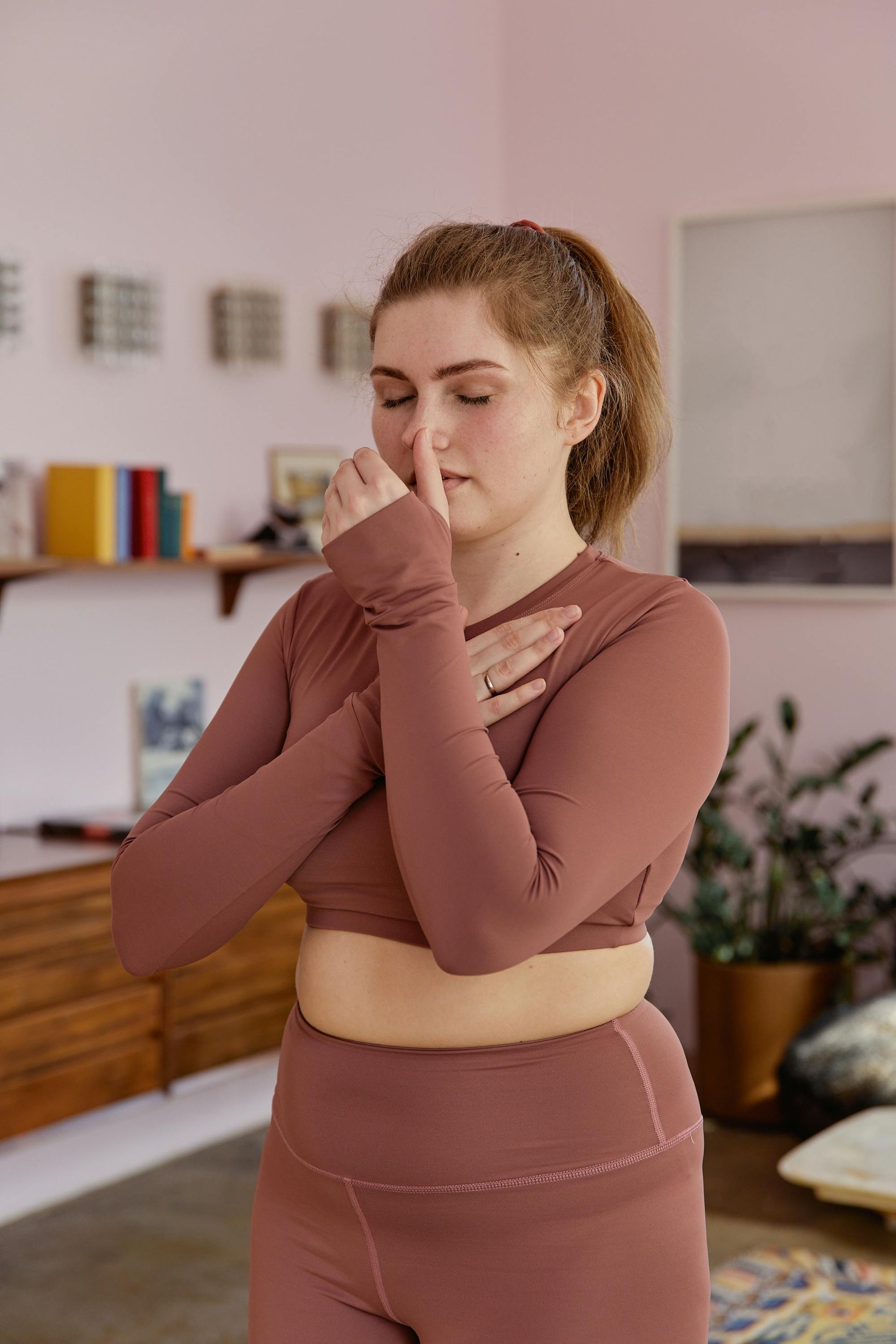
Classical Pilates is fundamentally concerned with how the body functions, not how it looks. The practice does not prescribe a body type or a target aesthetic. What it offers — to every student, in every body — is the experience of moving with greater efficiency, less pain, and more awareness. Those outcomes are available regardless of a person's size, shape, weight, or prior fitness history. The only requirement is a willingness to learn.
SOURCES
1. Alves, M.C. et al. (2023). Pilates to Improve Core Muscle Activation in Chronic Low Back Pain: A Systematic Review. Healthcare, 11(10). PMC10218154
2. Donatoni da Silva, L. et al. (2021). Pilates Reducing Falls Risk Factors in Healthy Older Adults: A Systematic Review and Meta-Analysis. Frontiers in Medicine. PMC8440877
3. Lim, H.S. et al. (2021). Pilates improves physical performance and decreases risk of falls in older adults: a systematic review and meta-analysis. Physiotherapy, 114, 1–12.
4. Donatoni da Silva, L. et al. (2022). Effects of Pilates on the risk of falls, gait, balance and functional mobility in healthy older adults: A randomised controlled trial. Journal of Bodywork and Movement Therapies. PMID: 35500977
5. Wells, C. et al. (2012). Pilates: how does it work and who needs it? Muscles, Ligaments and Tendons Journal. PMC3666467