How To Begin Pilates: A Practical Guide
What to expect, how to prepare, and why starting — no matter where you are — is the most important step
GETTING STARTED
How to Begin Pilates: A Practical, Evidence-Based Guide
What to expect, how to prepare, and why starting — no matter where you are in a Pilates practice (or regimen) — is the most important step in Pilates. There is a moment in almost every new Pilates student's journey, many times somewhere in the middle of the first few classes, when something shifts. The instructions that seemed abstract begin to connect with actual sensations in the body. The breath starts to coordinate with the movement. A muscle that has been dormant for years makes itself known. That moment is the beginning of learning Pilates, and it arrives more quickly than most people expect. But getting to that moment requires taking the first step. This guide is designed to make that step as clear and approachable as possible — answering the practical questions, addressing the common concerns, and grounding the experience in what the research says about how the body actually changes through a Pilates practice.
What Pilates Asks of You — and What It Does Not
Classical Pilates does not ask you to be flexible, strong, fit, or pain-free before you begin. It does not require a certain body type, age, or fitness background. What it asks is simpler and more demanding at the same time: attention. The ability to focus on what your body is doing, to follow instruction, and to practice patience with a process that builds gradually and sustainably.
What it does not require, and what often surprises new students, is any prior exercise experience at all. The method is designed to teach — not to test. A skilled classical Pilates teacher begins where you are, and the foundational mat exercises are structured precisely to introduce movement patterns in a progressive, accessible sequence.
The Research on How Long Change Takes
Joseph Pilates famously said: 'In 10 sessions you will feel the difference, in 20 you will see the difference, and in 30 you will have a whole new body.' This timeline, offered nearly a century ago, has been broadly supported by subsequent research.
A 12-week study by Kloubec (2010) in the Journal of Strength and Conditioning Research found statistically significant improvements in abdominal endurance, hamstring flexibility, and upper-body muscular endurance in participants who practiced mat Pilates twice per week — roughly 24 sessions. A 2024 study in Frontiers in Physiology confirmed measurable differences in functional movement scores between novice and experienced practitioners, with experienced students scoring significantly higher on standardized movement assessments.
The consistent message from research is that meaningful change happens within weeks — not months or years — when practice is regular, supervised, and correctly executed. This is important context for new students: the investment is real, but the return is faster than most people expect.
"In active middle-aged men and women, exposure to Pilates exercise for 12 weeks, two 60-minute sessions per week, was enough to promote statistically significant increases in abdominal endurance, hamstring flexibility, and upper-body muscular endurance," Journal of Strength and Conditioning Research, 2010
What to Expect in Your First Classes
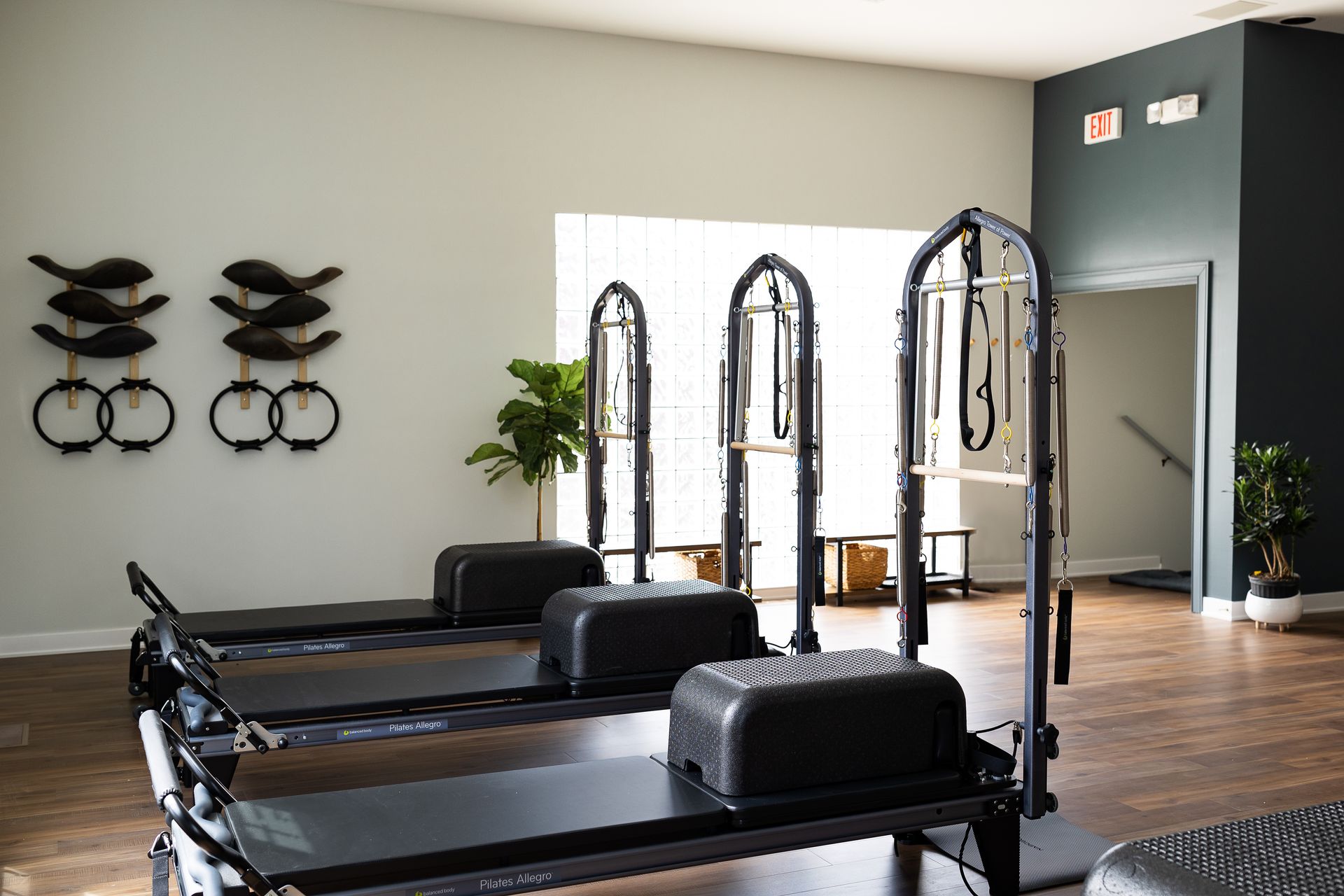
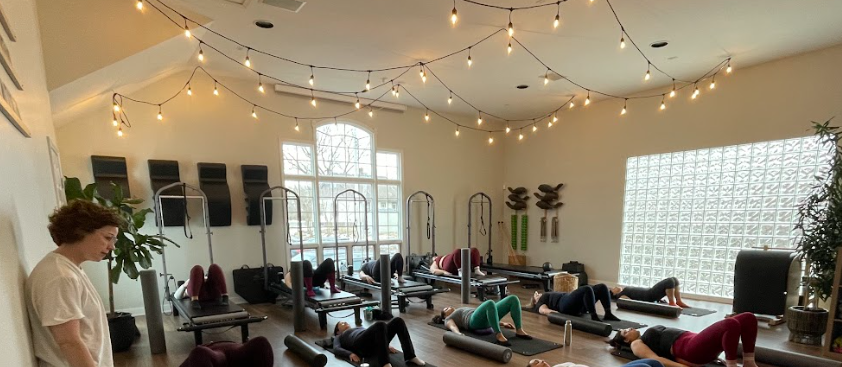
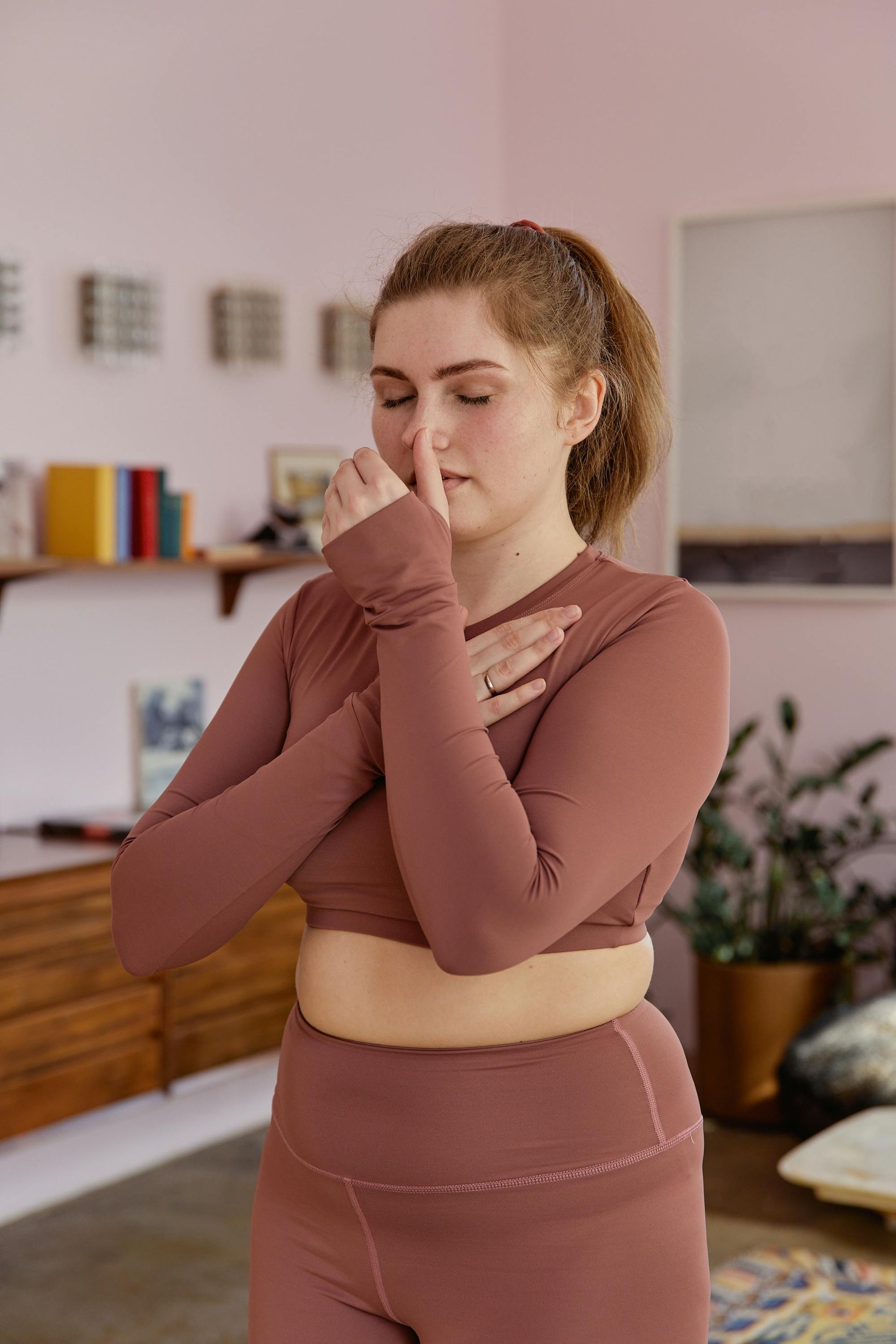
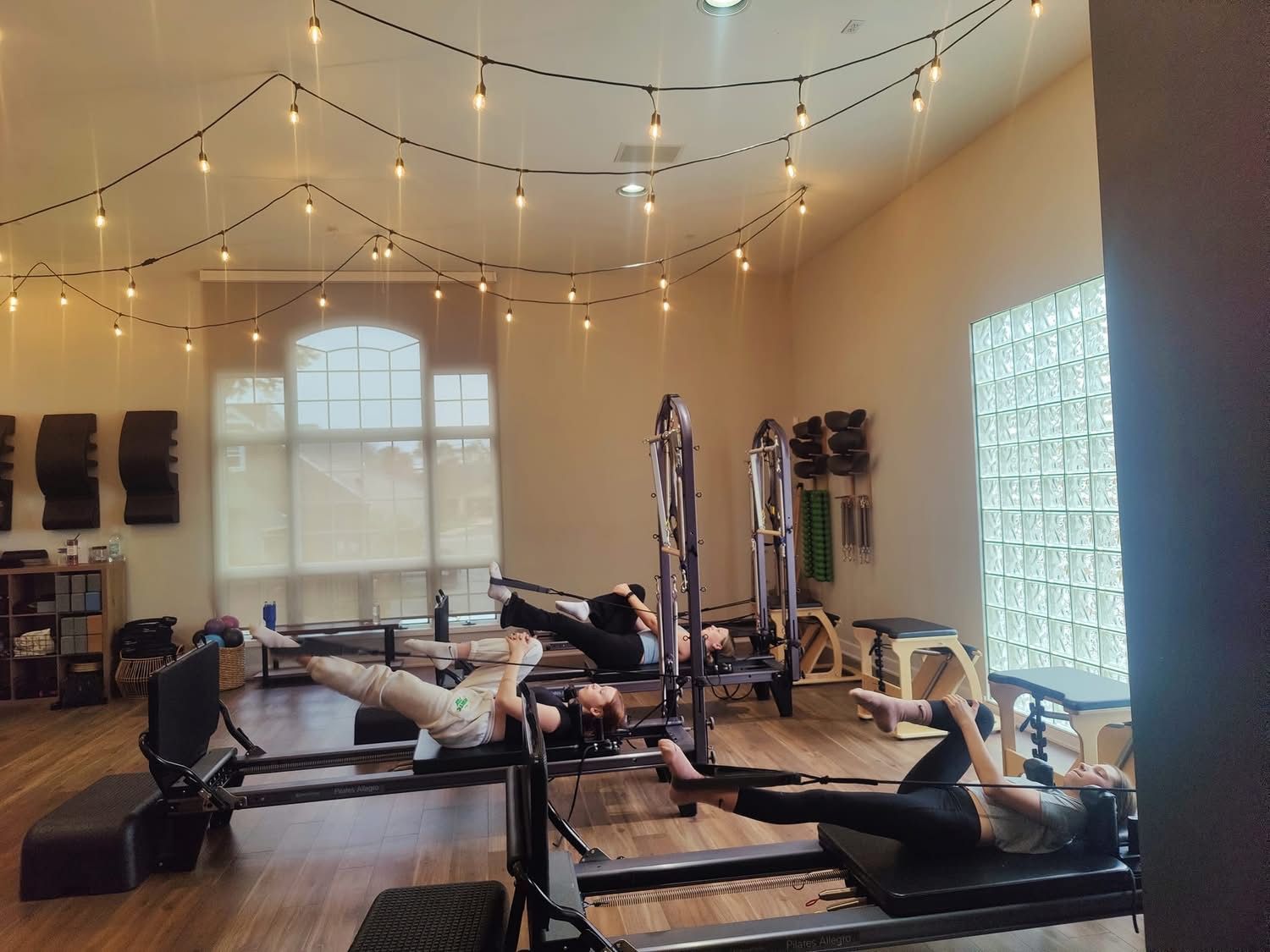
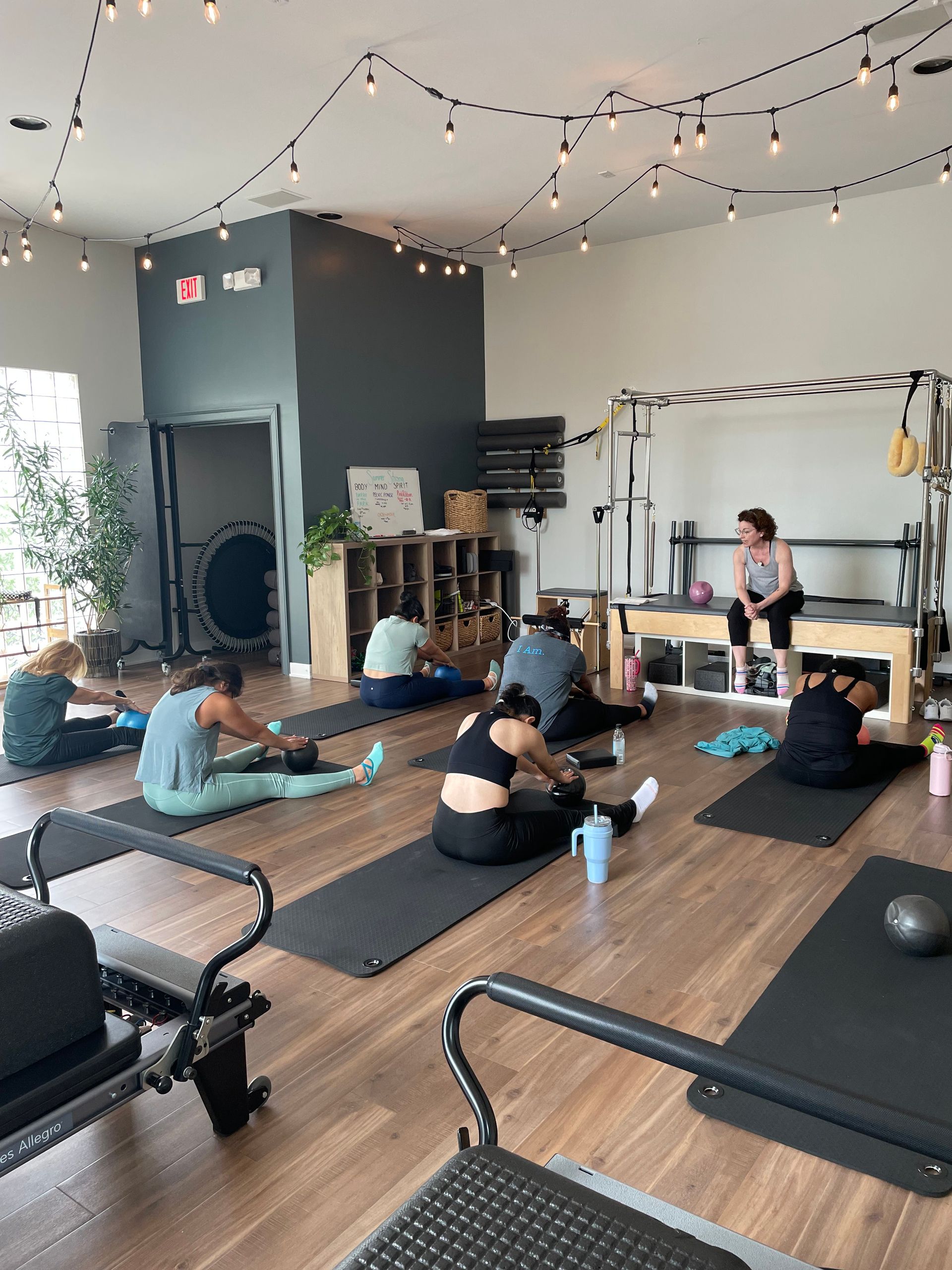
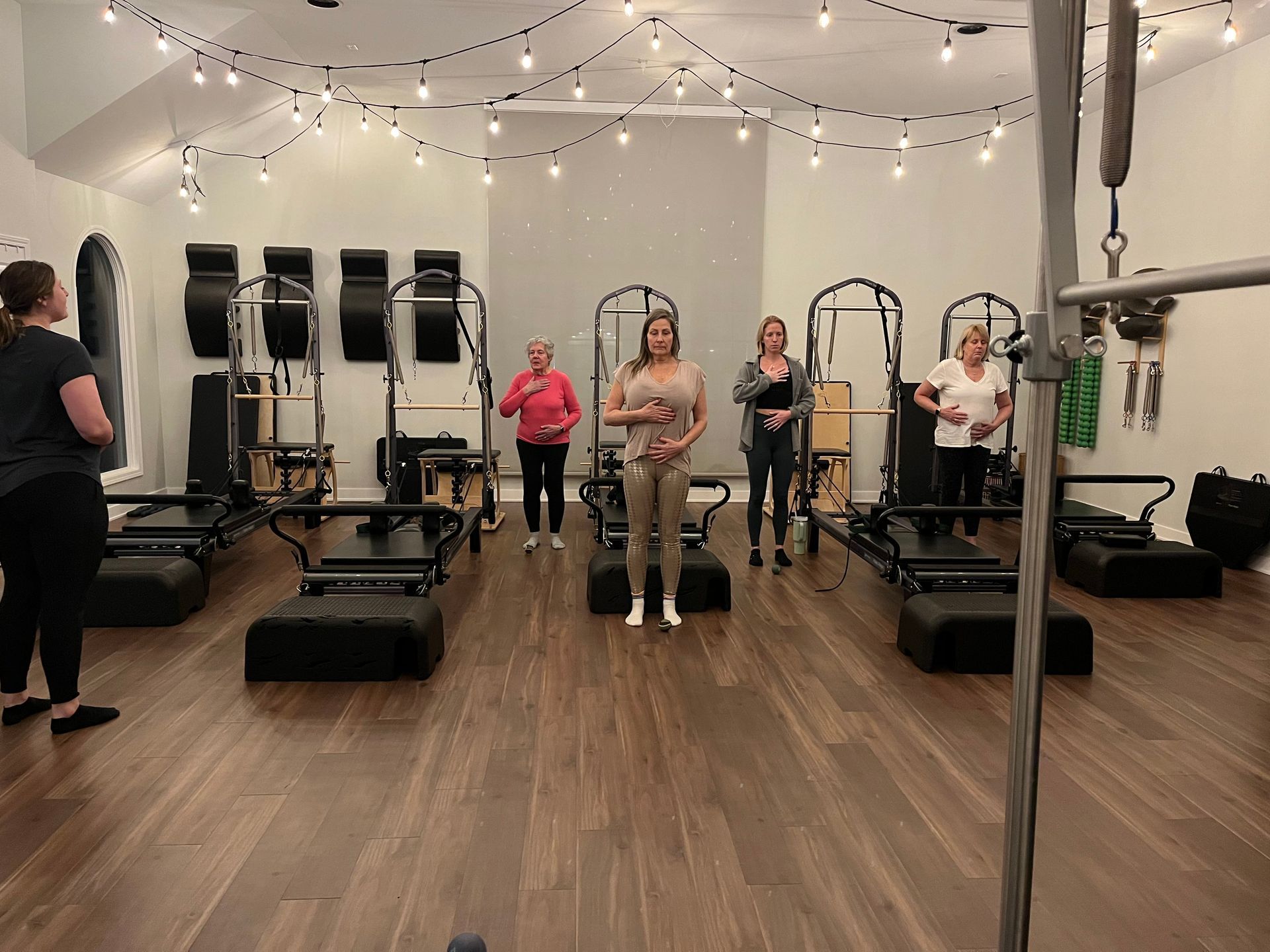
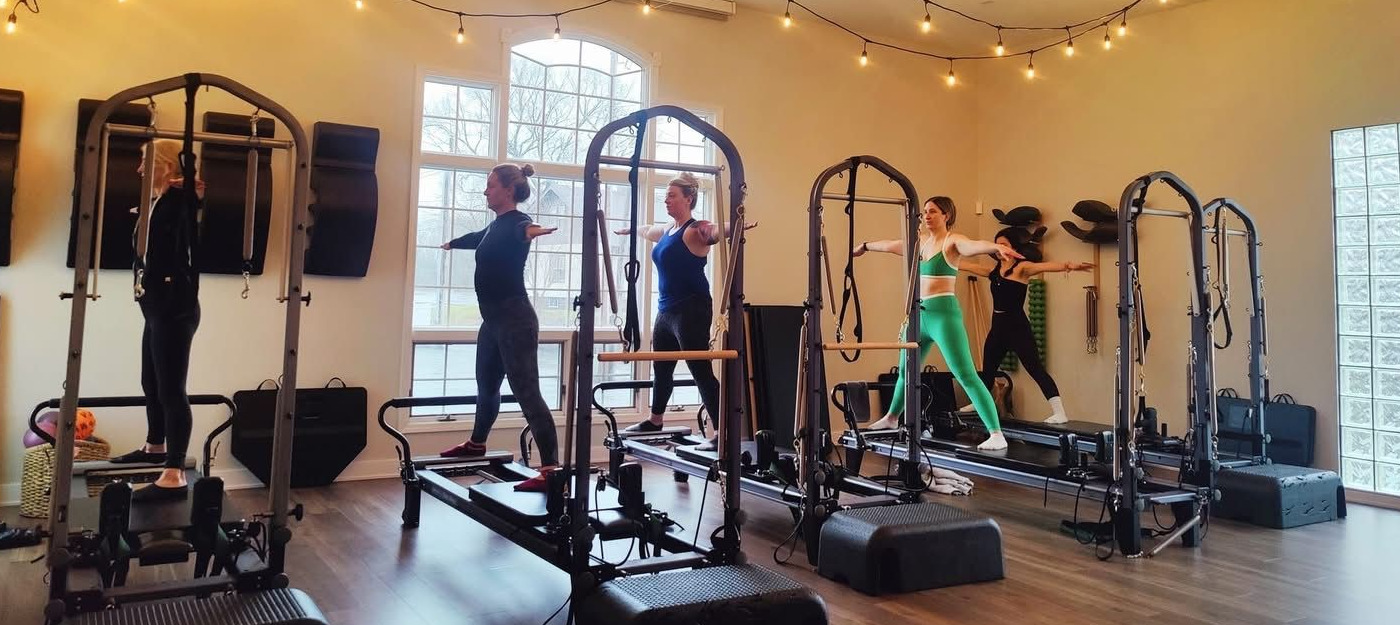
A well-structured introductory classical Pilates class often begins with breath. This is not done as an afterthought or a warm-up ritual, but as the primary tool through which every subsequent movement within the class is organized. The Pilates breathing method — deep diaphragmatic breathing coordinated with movement — is itself a form of core activation and a direct neurological signal to the trunk's stabilizing muscles. From breath, the class moves into the foundational mat sequence. Though many may not realize it, quite often a beginner reformer class or a foundations reformer class is usually the original Classical Pilates sequence modified to be completed on the reformer apparatus.
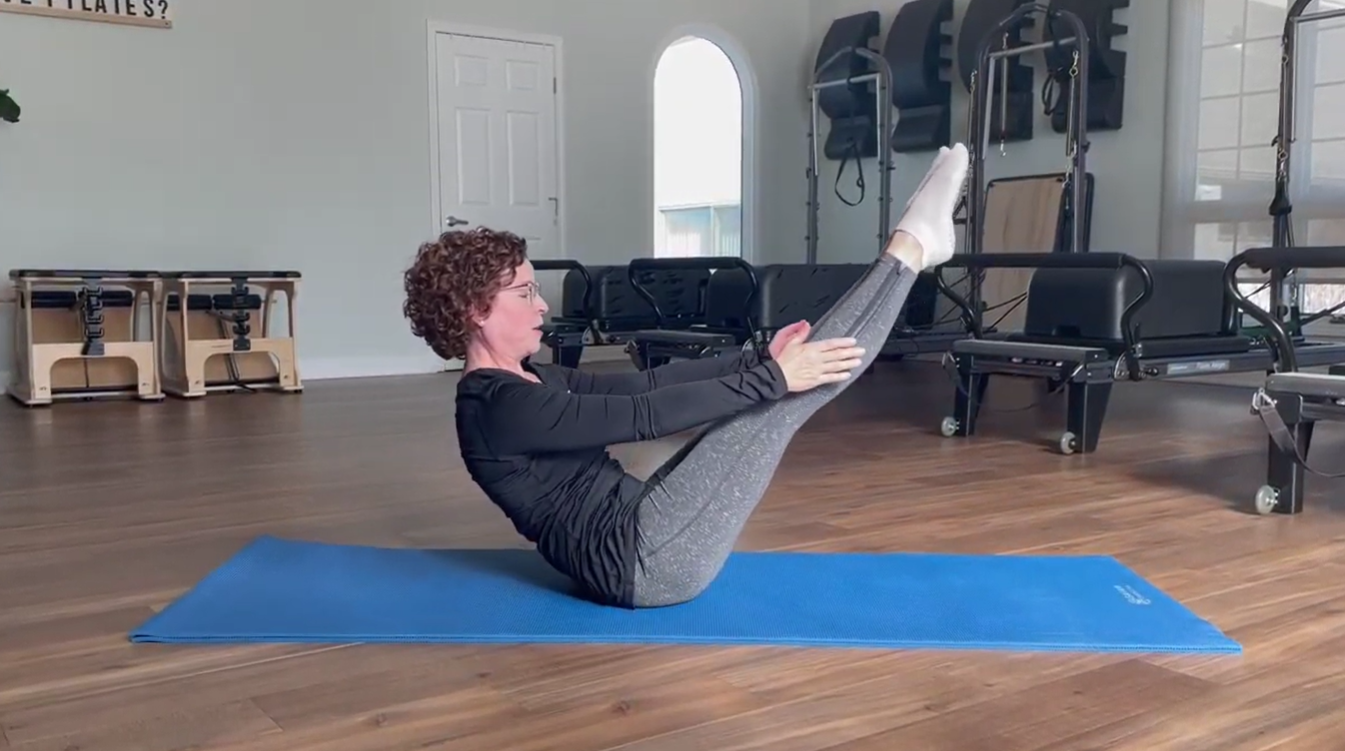
In the early sessions, the focus is not on completing the full exercise in its classical form but on learning the fundamental movement patterns: the posterior pelvic tilt, the spinal articulation, the activation sequence of the abdominal wall, and the relationship between the shoulder girdle and the core. These are the building blocks on which every more complex exercise is assembled.
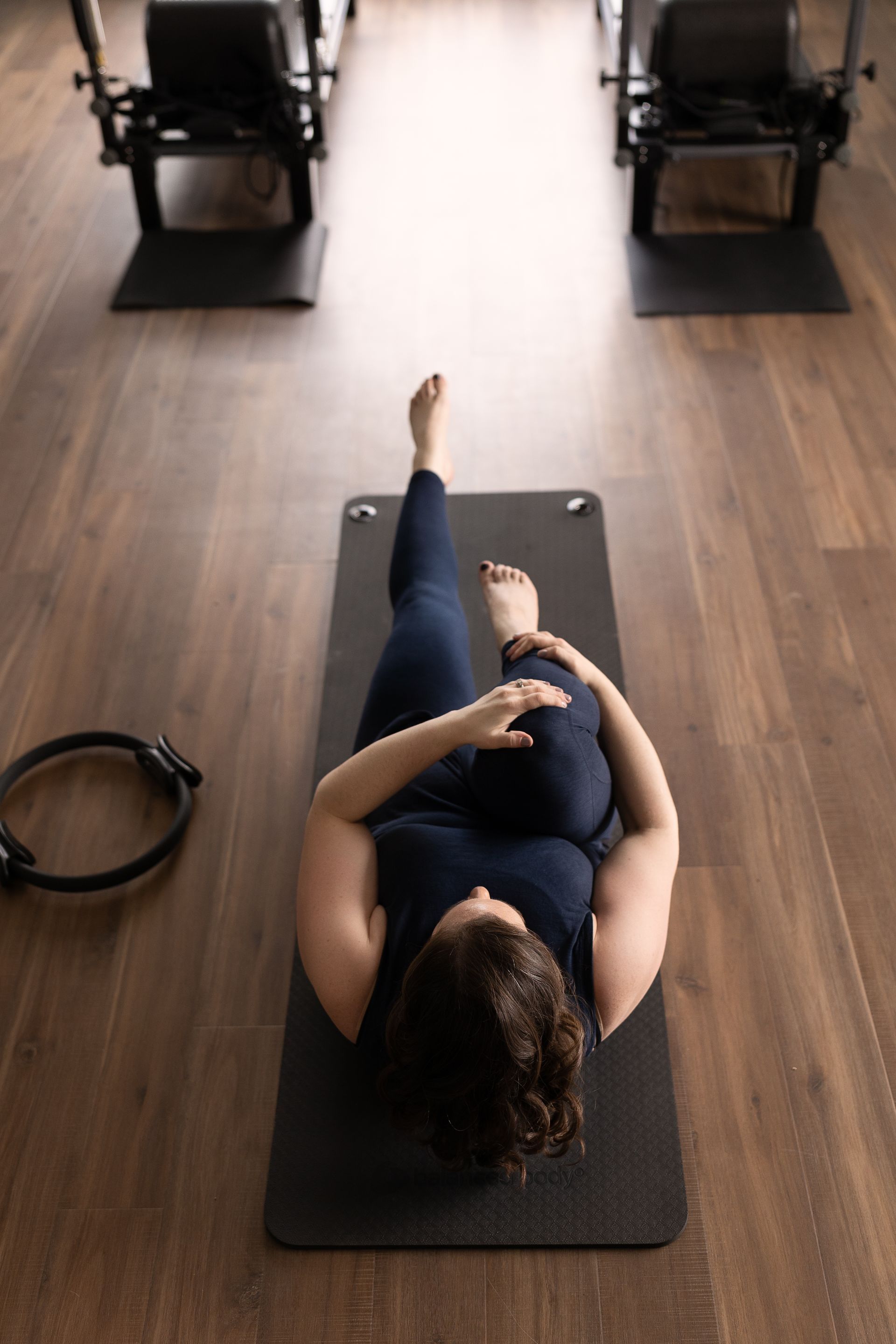
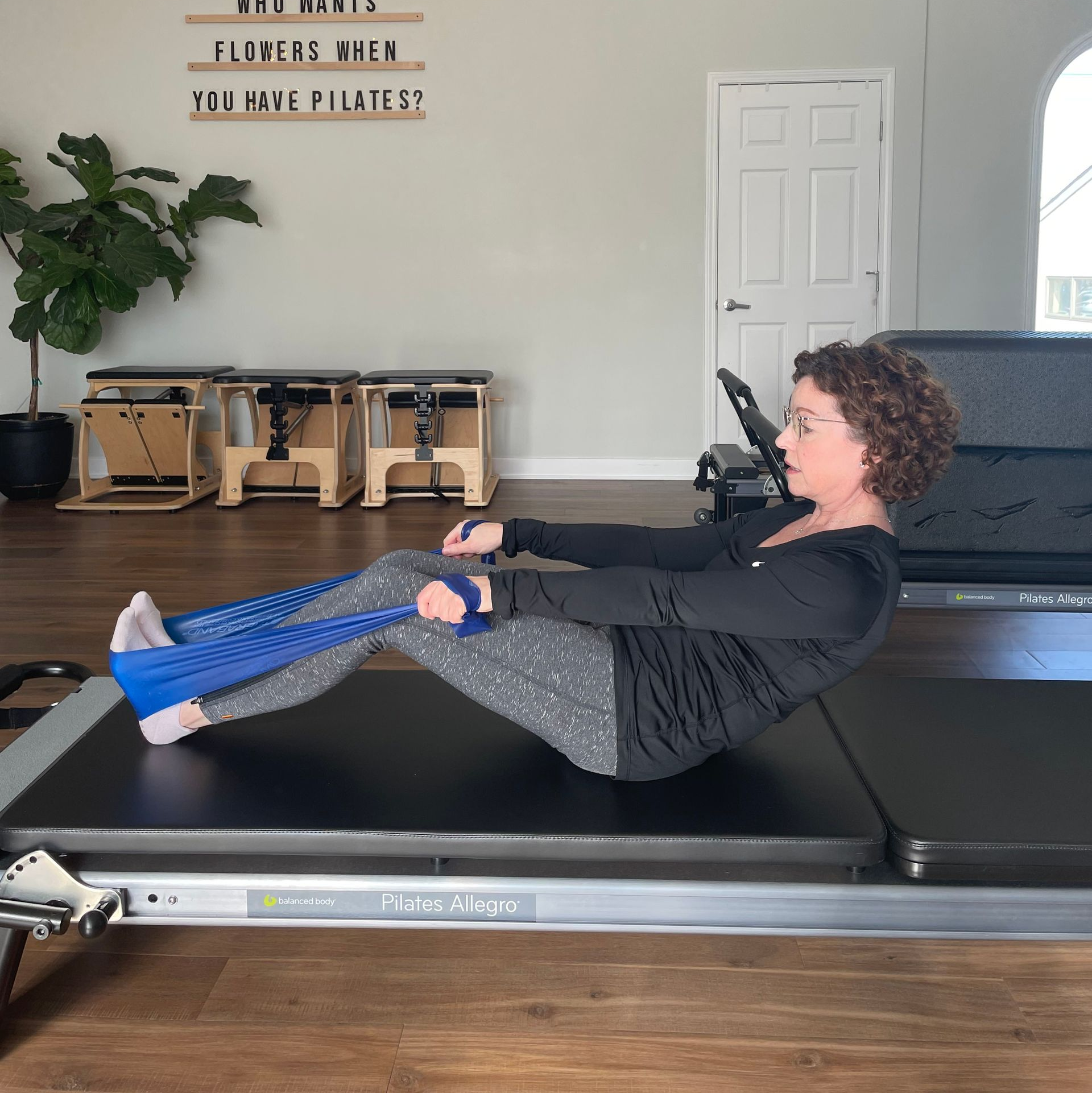
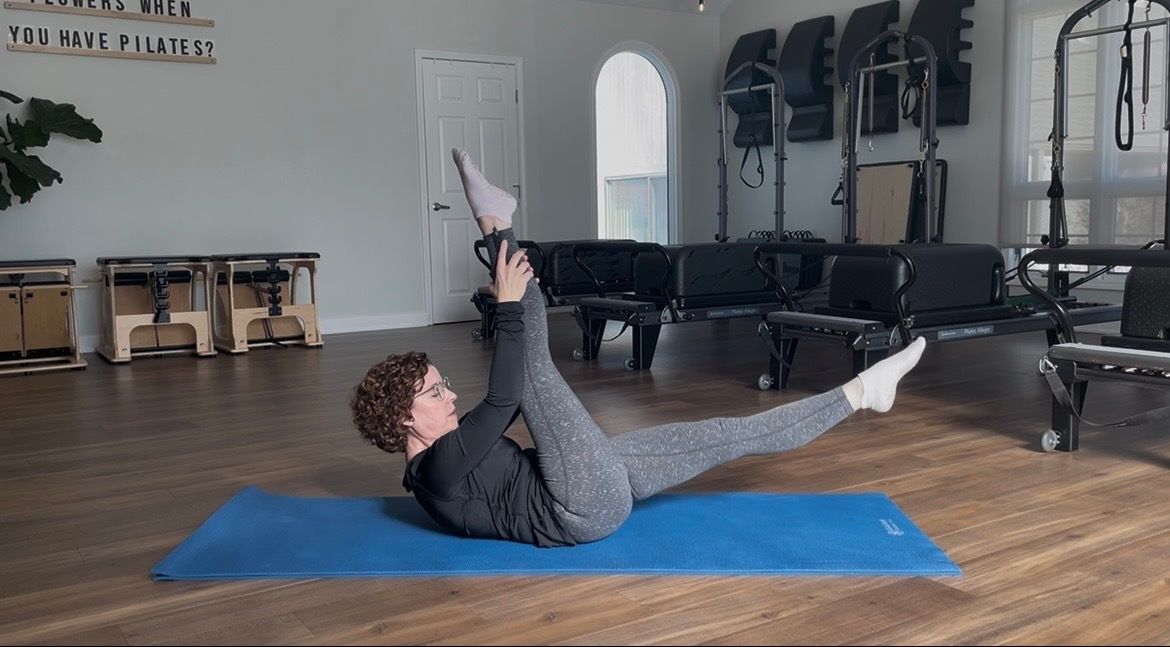
New students frequently report that exercises that appear simple are more challenging than expected. A single-leg stretch, performed with correct alignment, controlled breath, and genuine deep abdominal engagement, is considerably more demanding than it looks from the outside. This is by design: classical Pilates is internally focused. The sophistication is in the quality of the movement, not the complexity of the shape.
The Role of a Skilled Teacher
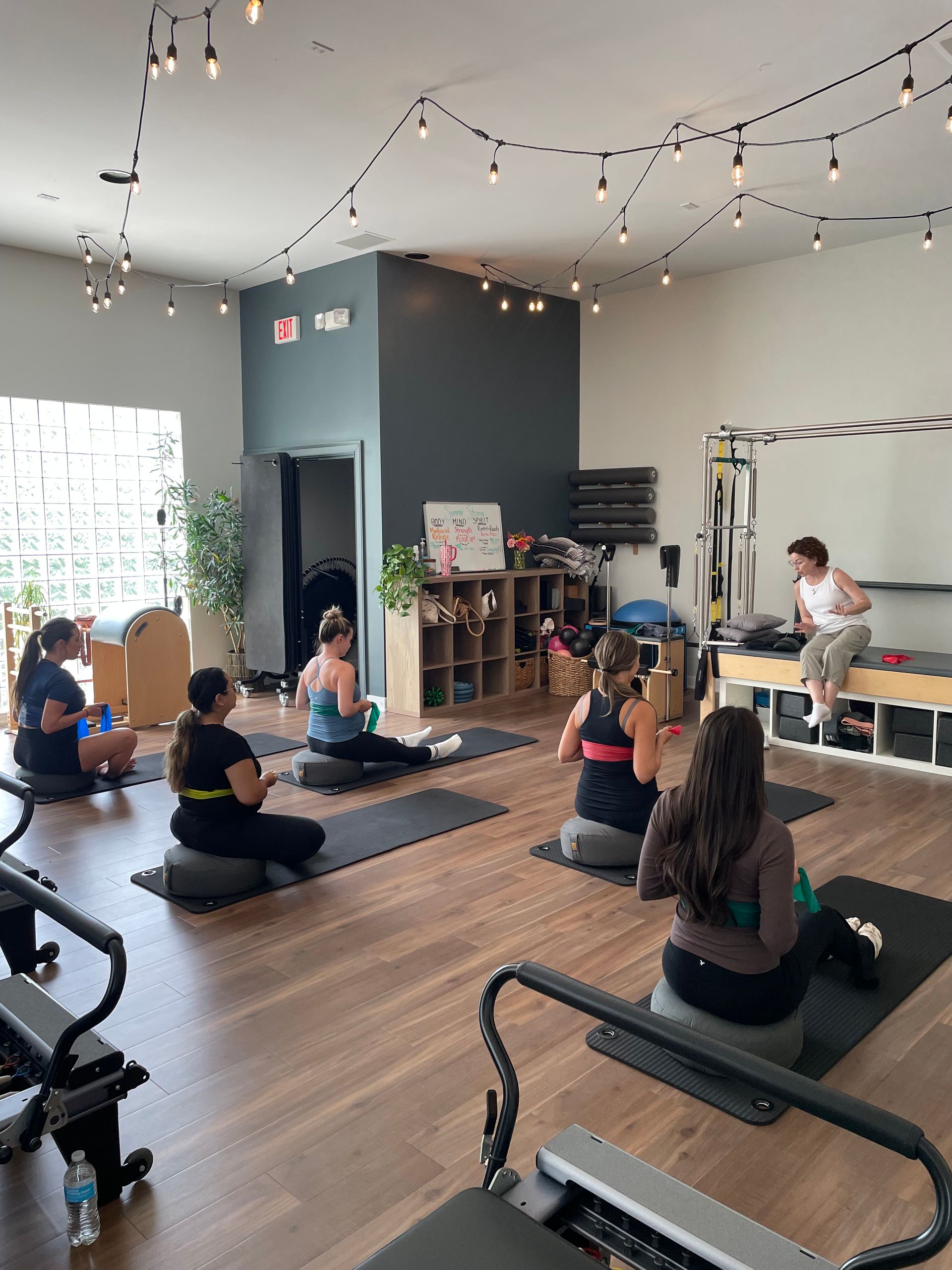
One of the clearest findings in Pilates research is the importance of qualified instruction. A 2024 study in Frontiers in Physiology noted that novice practitioners showed compensatory muscle activation patterns, meaning that without proper guidance, the wrong muscles do the work, and the deep stabilizers the practice is designed to strengthen remain underactivated. This is not a failure of the student; it is simply what happens when complex movement patterns are learned without expert feedback. A Pilates instructor brings an understanding of the method's logic — why exercises are sequenced as they are, what each one is preparing the body for, and how to modify appropriately for individual needs. The research on Pilates consistently distinguishes between supervised and unsupervised practice, with supervised programs producing more reliable and significant outcomes.
Learn more about Rise's qualified instructors here.
A Step-by-Step Starting Framework
Where to begin and overall expectations can often be a concern when starting a Pilates practice. Trying a class once or having one session is not always a complete view of Pilates.
- Commit to three sessions: The first session introduces the fundamentals. The second begins the process of internalization. By the third, the body has started to learn. Do not evaluate the practice before completing at least three classes.
- Practice twice per week: Research consistently shows that twice-weekly practice is sufficient to produce measurable change. More frequent practice accelerates progress; less frequent practice slows it.
- Tell your teacher everything: Past injuries, surgeries, areas of chronic pain, physical limitations — all of this information allows a skilled teacher to modify intelligently and protect the body while still delivering a full, effective session.
- Wear appropriate clothing: Form-fitting athletic wear allows the teacher to see alignment and provide accurate feedback. However, your comfort is what matters-your practice will not be comfortable if you are not comfortable. Pilates is often practiced barefoot or in grip socks on the mat or reformer.
- Expect to work, not to perform: The goal of every session is learning, not demonstration. There is no performance expected, no comparison to other students, and no body type that the exercises are designed to favor.
The Longer View
Classical Pilates and any Pilates practice, for that matter, are not programs with an end date. It is a practice in the truest sense — something that deepens over time, adapts to changes in the body, and continues to offer new learning and new benefits for as long as it is practiced. Students in their sixties who began in their thirties report continued improvement. Students who begin in their sixties report transformation. The research supports what practitioners have known for decades: the body responds to intelligent, consistent, whole-body movement training at any age, in any condition, with any starting point. Classical Pilates and a Pilates practice provide precisely that framework — and learning it is one of the most durable investments a person can make in their own movement and quality of life.
SOURCES
1. Kloubec, J.A. (2010). Pilates for improvement of muscle endurance, flexibility, balance, and posture. Journal of Strength and Conditioning Research, 24(3), 661–667. PMID: 20145572
2. Kim, H.S. et al. (2024). Comparisons of functional movements and core muscle activity in women according to Pilates proficiency. Frontiers in Physiology. doi:10.3389/fphys.2024.1435671
3. Pata, R. et al. (2012). Pilates: What Is It? Should It Be Used in Rehabilitation? Journal of Orthopaedic & Sports Physical Therapy. PMC3445206
4. Wells, C. et al. (2012). Pilates: how does it work and who needs it? Muscles, Ligaments and Tendons Journal. PMC3666467
5. Donatoni da Silva, L. et al. (2021). Pilates Reducing Falls Risk Factors in Healthy Older Adults. Frontiers in Medicine. PMC8440877
6. Lim, H.S. et al. (2021). Pilates improves physical performance and decreases risk of falls in older adults. Physiotherapy, 114, 1–12.