What Is a Pilates Reformer? Reformer Apparatus Explained
What Is a Reformer Pilates Apparatus?
What Is a Pilates Reformer? A Guide to the Reformer Apparatus in Classical Pilates
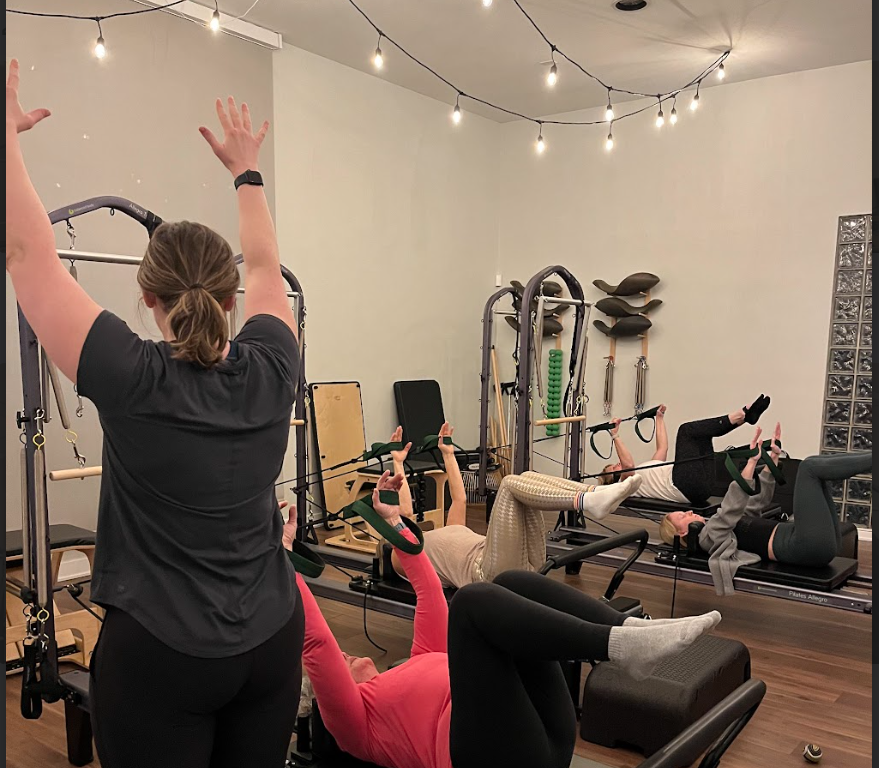
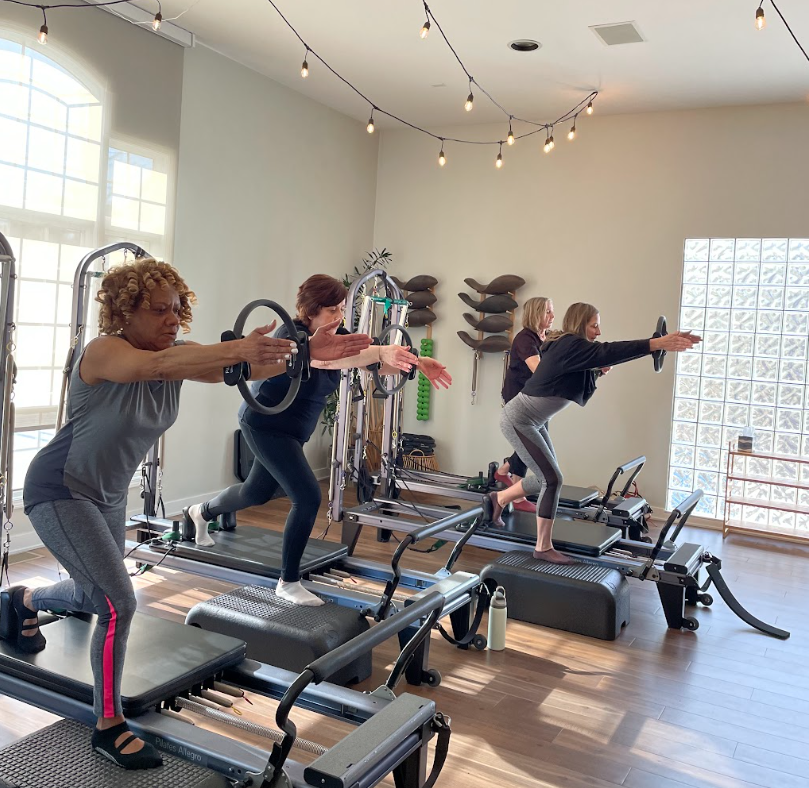
Ask anyone who has walked into a Pilates studio for the first time what stopped them in the doorway, and many will describe the same thing: a long, low, sled-like machine with springs, straps, and a sliding platform. This is the reformer — often called the “reformer apparatus” — and it is one of the most recognizable pieces of equipment in classical Pilates. Despite its industrial appearance, the reformer was never meant to replace the original Pilates method. It was designed to extend it, but it was meant to modify it. Ultimately, the reformer can be thought of as a piece of equipment that, when used correctly, will support, challenge, and help your body find its own internal control.
Many think of the reformer apparatus (and other Pilates equipment)as the "magic sauce" of Pilates, or it's the equipment that helps them complete the workout. But in reality, the Reformer is only part of the recipe. The instructor, the reformer, and your mind/body are what make the "magic sauce" per se. From the moment you walk into a studio and your brain/body are ready to receive the equipment, instruction, and experience, the "magic" happens. But more about that later. Let's dive into the reformer apparatus.
What Is a Reformer Pilates Apparatus?
The reformer is one of several pieces of specialized equipment Joseph Pilates designed to complement his original mat-based system, which he called Contrology. Joseph Pilates referred to his design as the Universal Reformer, a name still used by many classically trained studios today. In practice, most instructors and clients simply call it “the reformer” or “the reformer apparatus,” but all three terms describe the same piece of equipment. Pilates patented the design after emigrating to New York, filing U.S. Patent No. 1,621,477 in 1927 (Smithsonian National Museum of American History, n.d.).
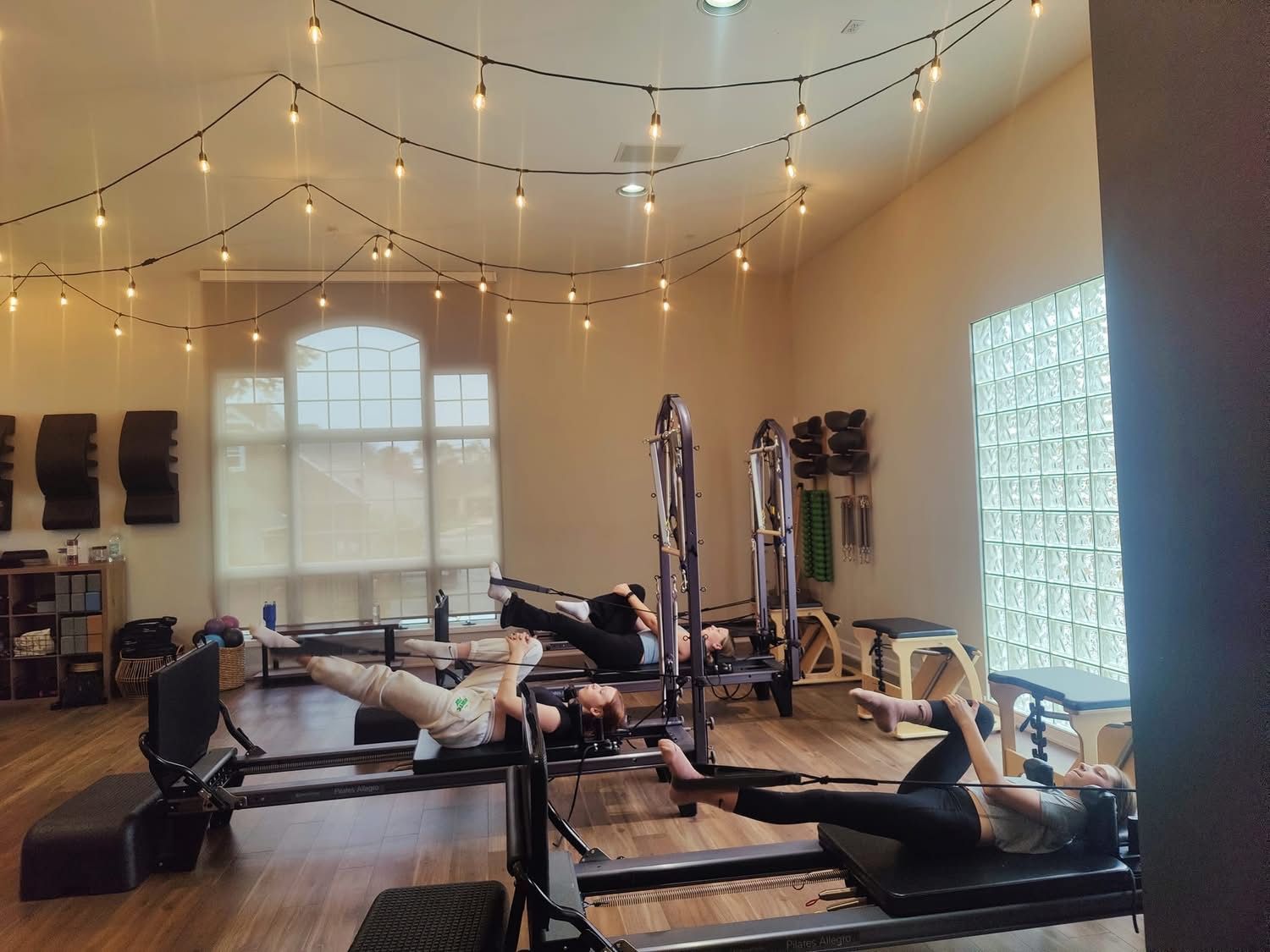
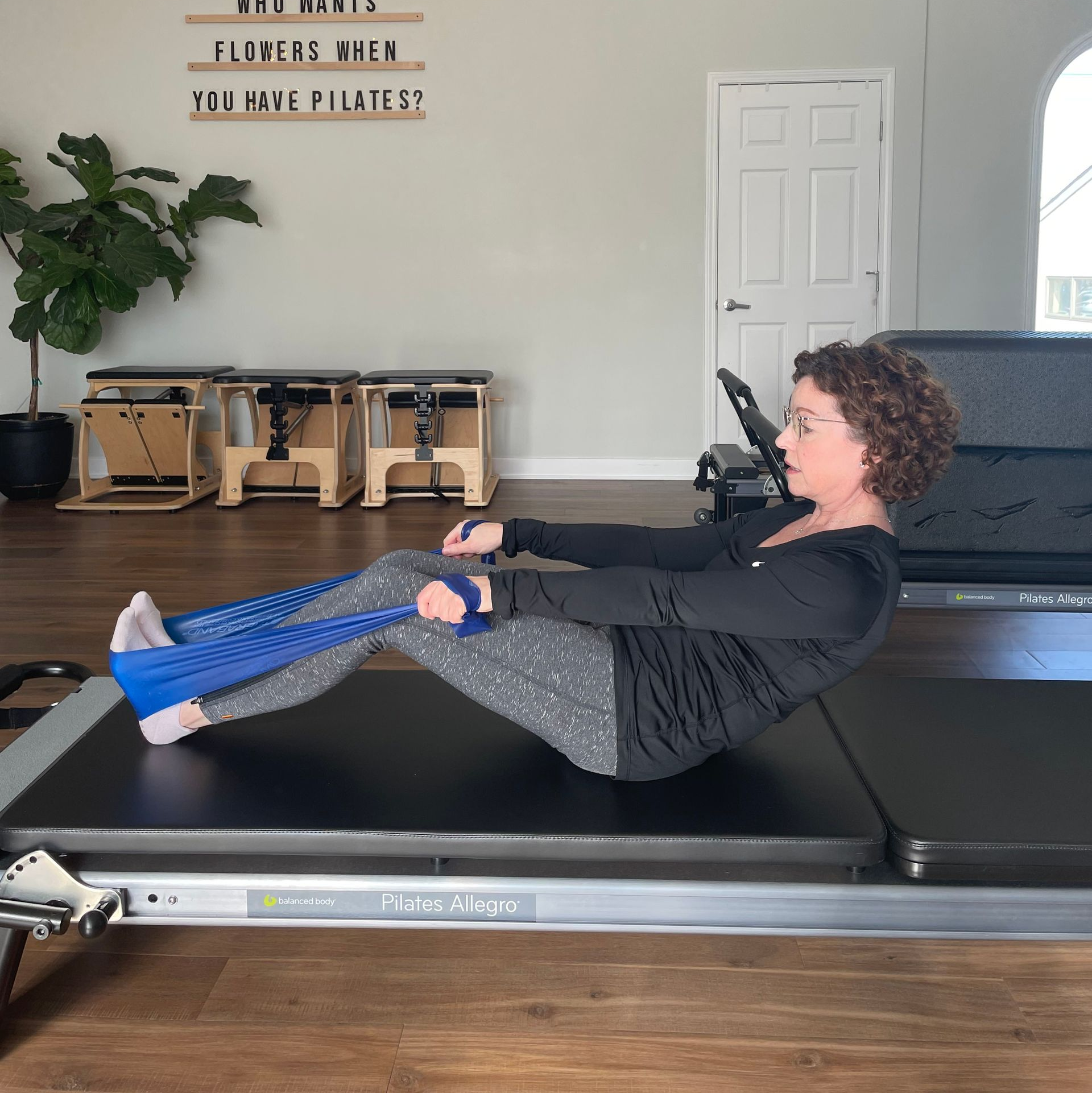
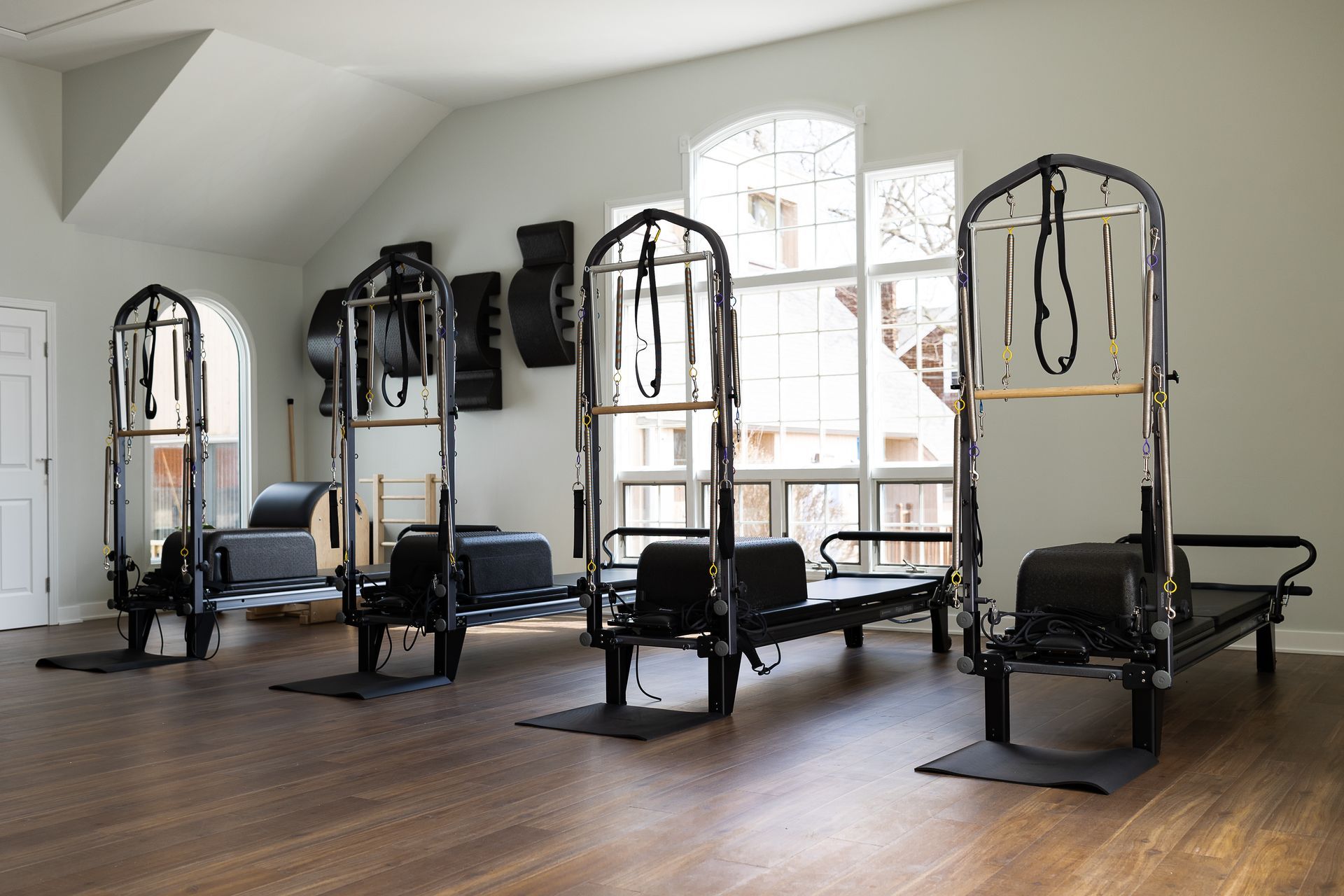
At its core, the reformer consists of a moving platform, called the carriage, that rolls along a stationary frame. The carriage is attached to a set of springs that create adjustable resistance, along with a footbar, shoulder blocks, and long straps with handles or loops for the hands and feet. Together, these components allow an instructor to precisely calibrate load, range of motion, and support for each exercise and each body.
The Anatomy of a Reformer
- Carriage: the sliding platform the body moves on or with.
- Springs: color-coded or numbered to indicate resistance level, added or removed to change the intensity or support of an exercise.
- Footbar: a padded bar used to press the carriage away from the frame, adjustable for height and angle.
- Shoulder blocks and headrest: stabilize the body during supine work.
- Straps and handles: connect the arms or legs to the spring system for a wide range of exercise variations.
Why Use a Reformer Instead of Just Mat Pilates?
When stepping into a reformer class with a comprehensively trained instructor-one who is certified in Mat and Reformer instruction-mat work remains the foundation of the Pilates method, and a comprehensively trained instructor will utilize the reformer apparatus to be able to do movements that parallel the mat. The reformer is not a substitute for the mat; it is a tool that adds resistance, support, and feedback that the mat alone cannot provide.
Added Support and Resistance
On the mat, the body's own weight provides the only resistance, and gravity is the only constant. On the reformer, spring tension can be increased to build strength, support postural control, and even decreased to support a beginner or an injury, challenge control or adjusted mid-session as fatigue sets in. This adaptability makes it possible to fine-tune a workout in ways that are simply not available on the mat.
Feedback for Alignment and Control
When the instructor optimally sets the client up on the reformer, and because the carriage moves in response to how the body pushes or pulls against the springs, the client gets immediate, tactile feedback about alignment, symmetry, and control. A client who is compensating with one side of the body, moving too quickly, or losing core engagement will often feel it in the carriage itself — an instructor can see it, and the client can feel it, in real time. Customization from the instructor can occur, aiding in the client's movement experience, allowing for the most beneficial and efficient movement.
Electromyographic research comparing experienced and novice practitioners found that spring-based resistance helps newer students activate target muscles that are harder to isolate on the mat, while also showing that experienced practitioners recruit core musculature more efficiently and with better timing — evidence that the reformer rewards refined control rather than raw effort (Ko et al., 2024). Clinically, this translates into measurable outcomes: a randomized controlled trial comparing mat and equipment-based Pilates in patients with chronic low back pain found that equipment-based training produced greater long-term improvements in disability and fear of movement than mat work alone (da Luz et al., 2014).
Reformer Exercises Are Modifications of the Original Mat Work
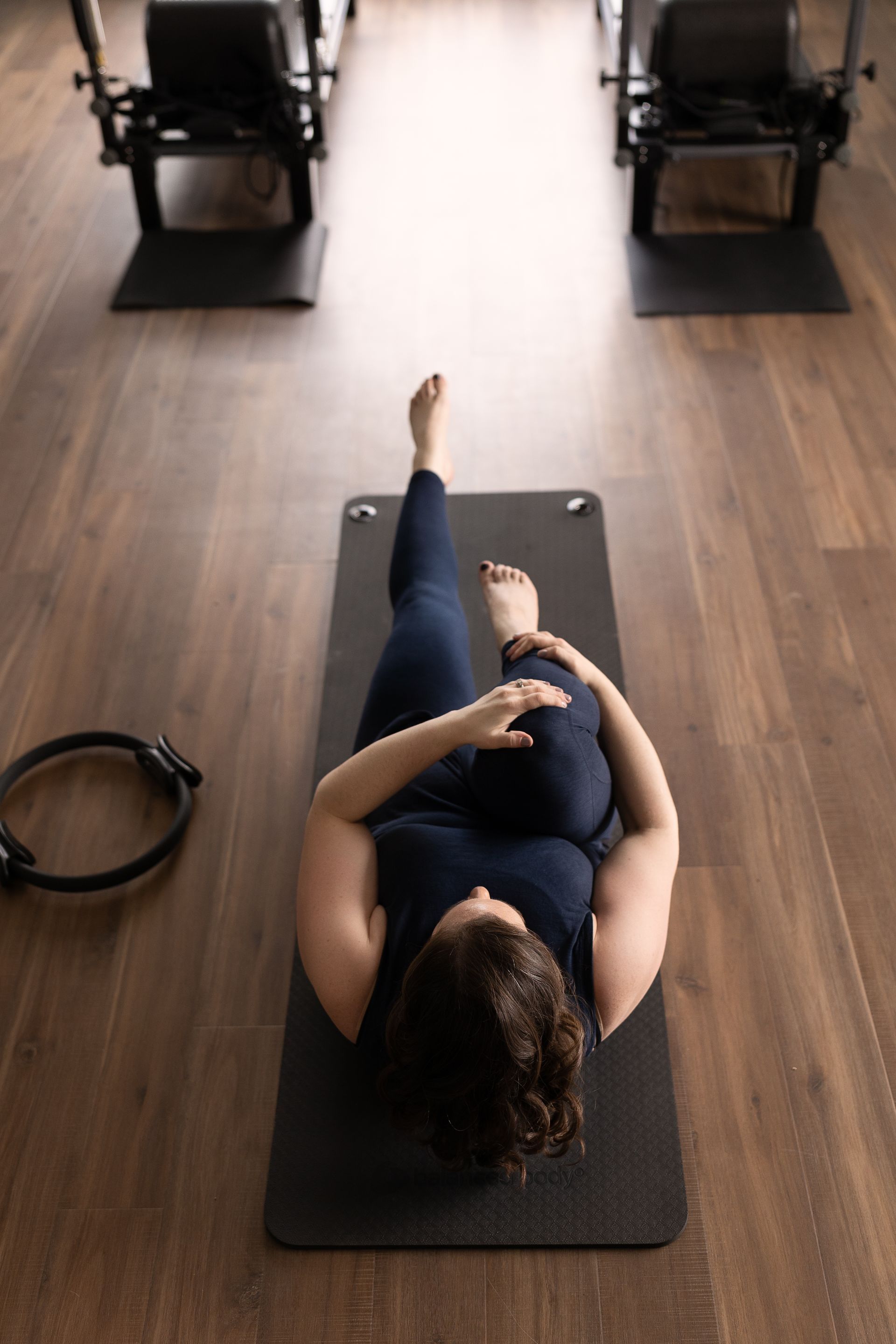
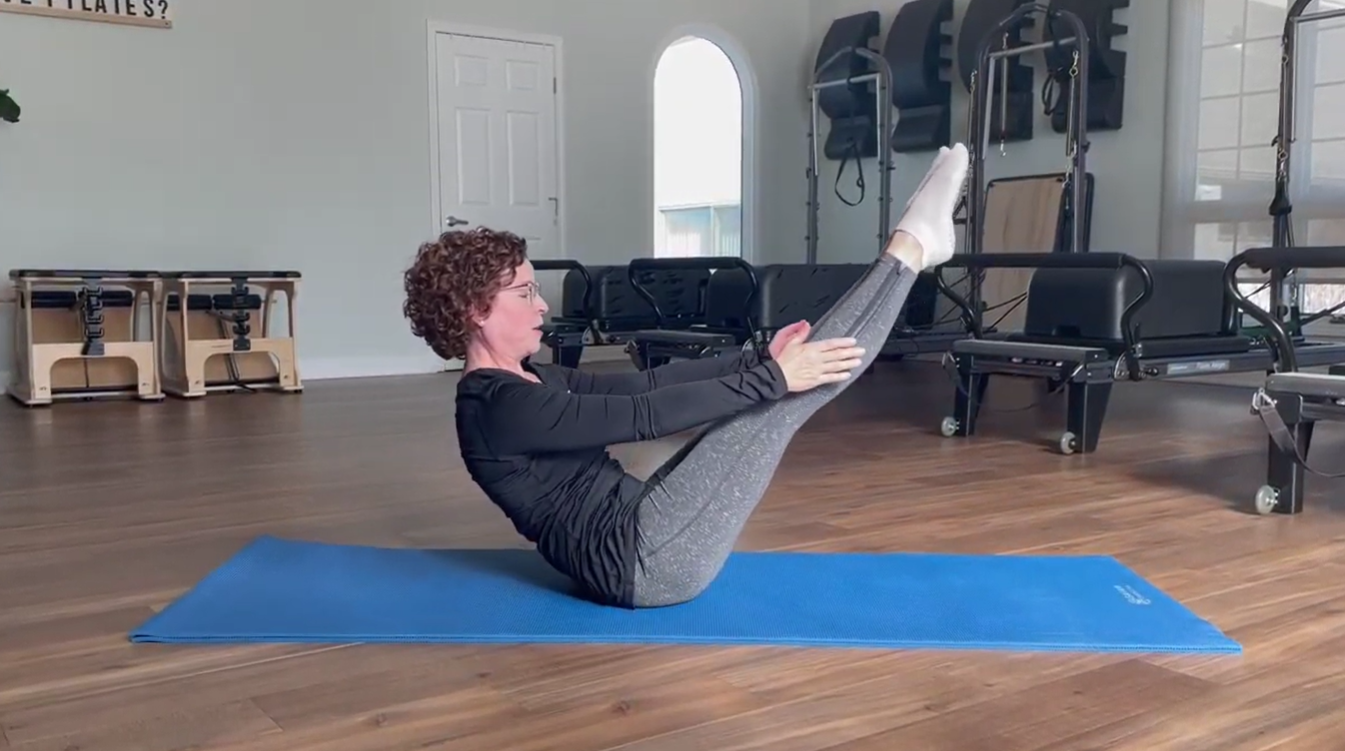
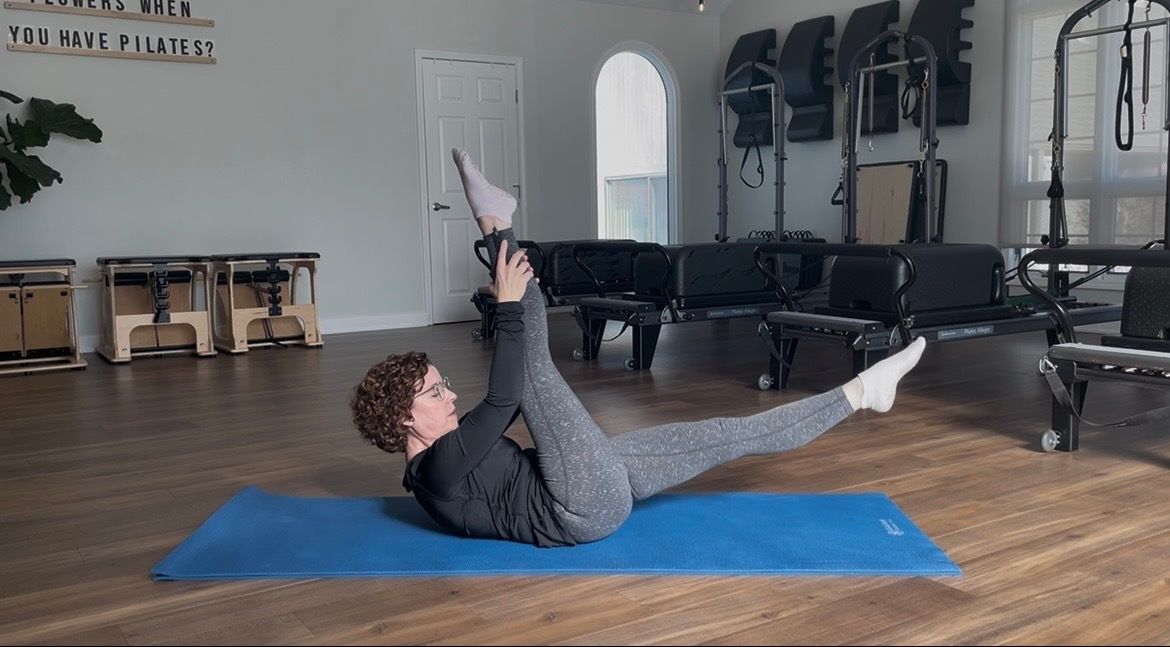
One of the most important things to understand about reformer Pilates is that it is not a separate discipline from mat Pilates — it is an extension of it. Joseph Pilates designed Contrology as a single, integrated system. The exercises performed on the reformer are, in almost every case, adaptations of movements that originate on the mat, translated onto the carriage and springs.
Same Principles, Different Tool
Take the Hundred, one of the best-known mat exercises: on the reformer, the same breathing pattern, curled spinal position, and pulsing arm action are preserved, but the springs add resistance through the straps, and the carriage introduces an element of stability challenge. Footwork on the reformer echoes leg work found in mat exercises like Bridging, while the Stomach Massage series builds directly on mat exercises that train hip flexor control and spinal articulation. The vocabulary of movement stays consistent; the equipment simply changes how that vocabulary is expressed.
This is why instructors trained in the classical lineage teach mat work first, or at minimum alongside reformer work. Understanding the original mat Pilates exercises is really what allows both the instructor and the client to recognize what the reformer version is actually training.
Reformer Pilates Is for Every Body
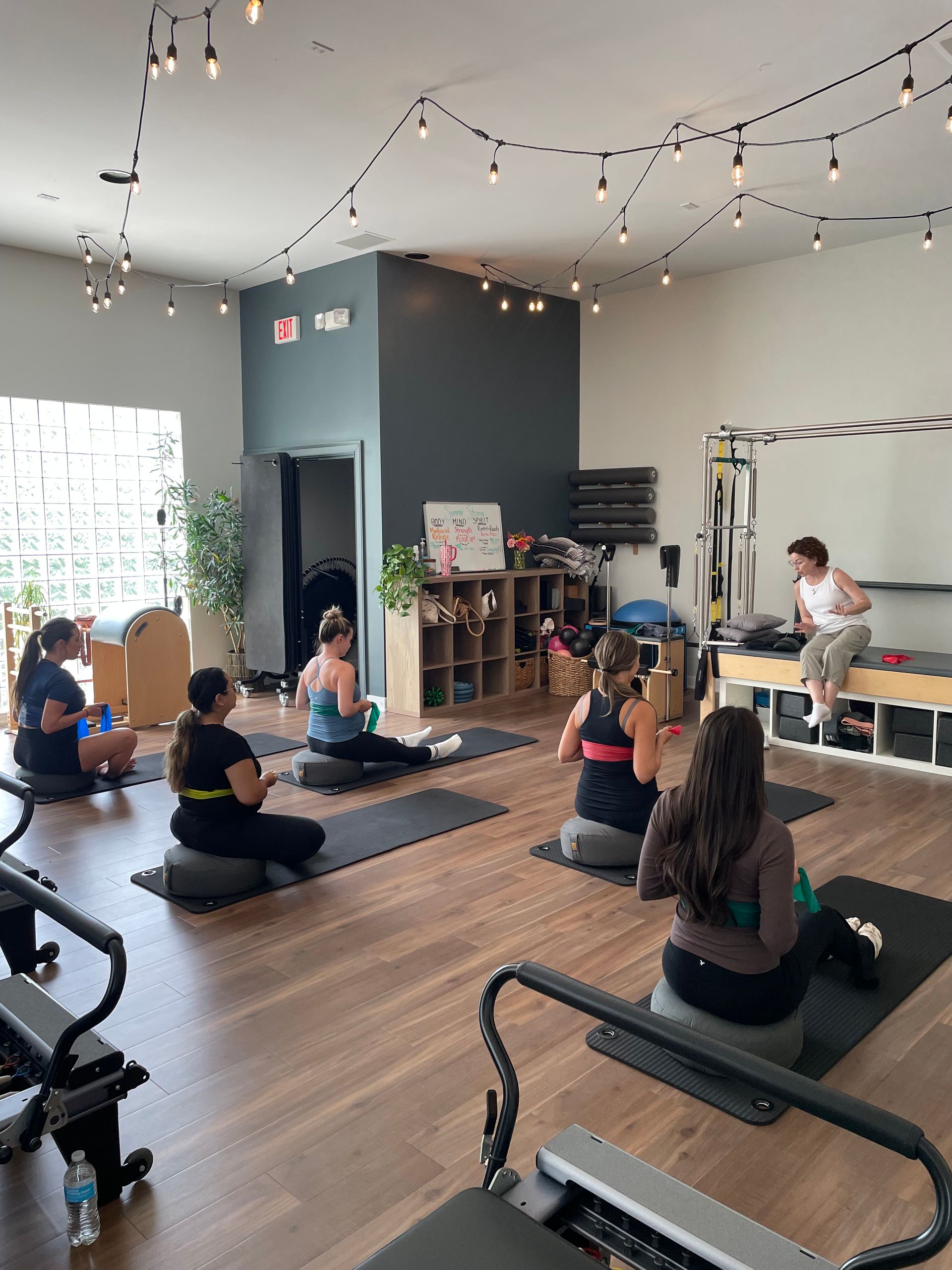
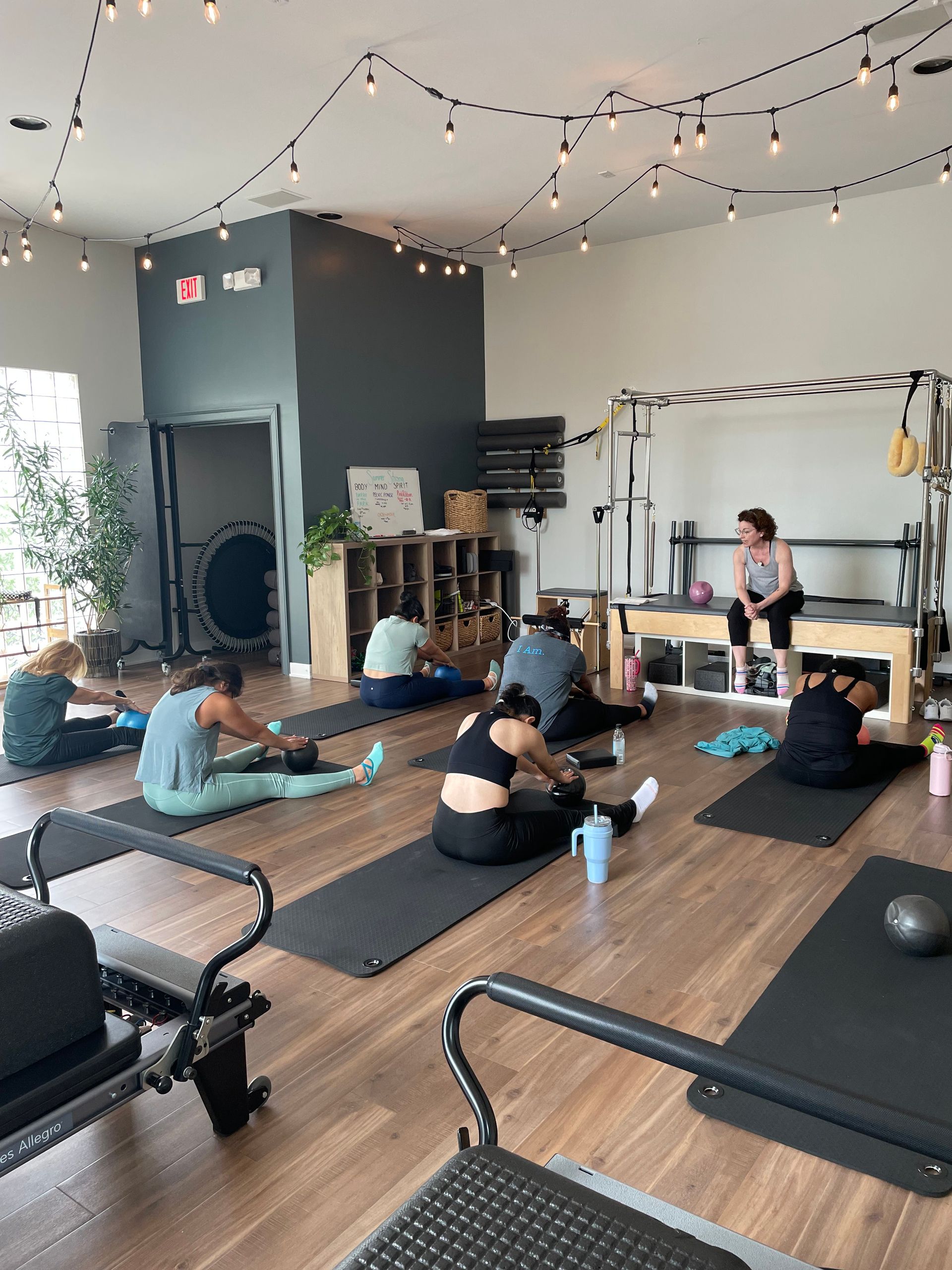
Because spring resistance is fully adjustable, the reformer is one of the most accessible pieces of exercise equipment available. It can be set up to support a client recovering from injury, challenge a competitive athlete, accommodate a prenatal client, or introduce a complete beginner to the fundamentals of core control — often within the same class, using the same apparatus.
Accessible Regardless of Fitness Level
A common misconception is that the reformer is only for advanced exercisers because of its machine-like appearance. In fact, the opposite is often true: the springs can provide assistance as well as resistance, supporting a movement that would be difficult to control on the mat alone. This makes the reformer an effective entry point for people who are new to exercise, returning after time away, or working within physical limitations. Research supports this range of application: a randomized controlled trial of adults aged 65 and older found that a ten-week reformer program significantly reduced fall risk and improved balance and functional mobility
compared with a no-exercise control group (Roller et al., 2018).
Separate trials have shown reformer-based training to meaningfully improve body composition, strength, and psychological well-being in overweight and obese women (Gökalp & Kirmizigil, 2025), and to reduce pain and improve sleep quality in adults with chronic musculoskeletal pain (Şahan et al., 2025) — underscoring that the same apparatus can be calibrated to serve very different populations and goals.
It's Not About How Hard You Work — It's About Technique and Control
In classical Pilates, effort is not measured by how much a client sweats or how heavy the spring load is. Joseph Pilates built his method around principles such as concentration, control, precision, breath, and flow. A session that emphasizes slow, deliberate, well-aligned movement on light springs is doing far more for the body than a fast, poorly controlled session on heavy resistance.
Precision Over Intensity
On the reformer specifically, control is everything, because the moving carriage will expose a lack of it immediately. A client who rushes through an exercise or lets the springs snap the carriage back is not building strength efficiently — they are often reinforcing poor movement patterns. The goal of reformer work is a controlled, connected, and precise execution of each exercise, not simply working as hard as possible.
Why Reformer Instruction Requires a Qualified Teacher
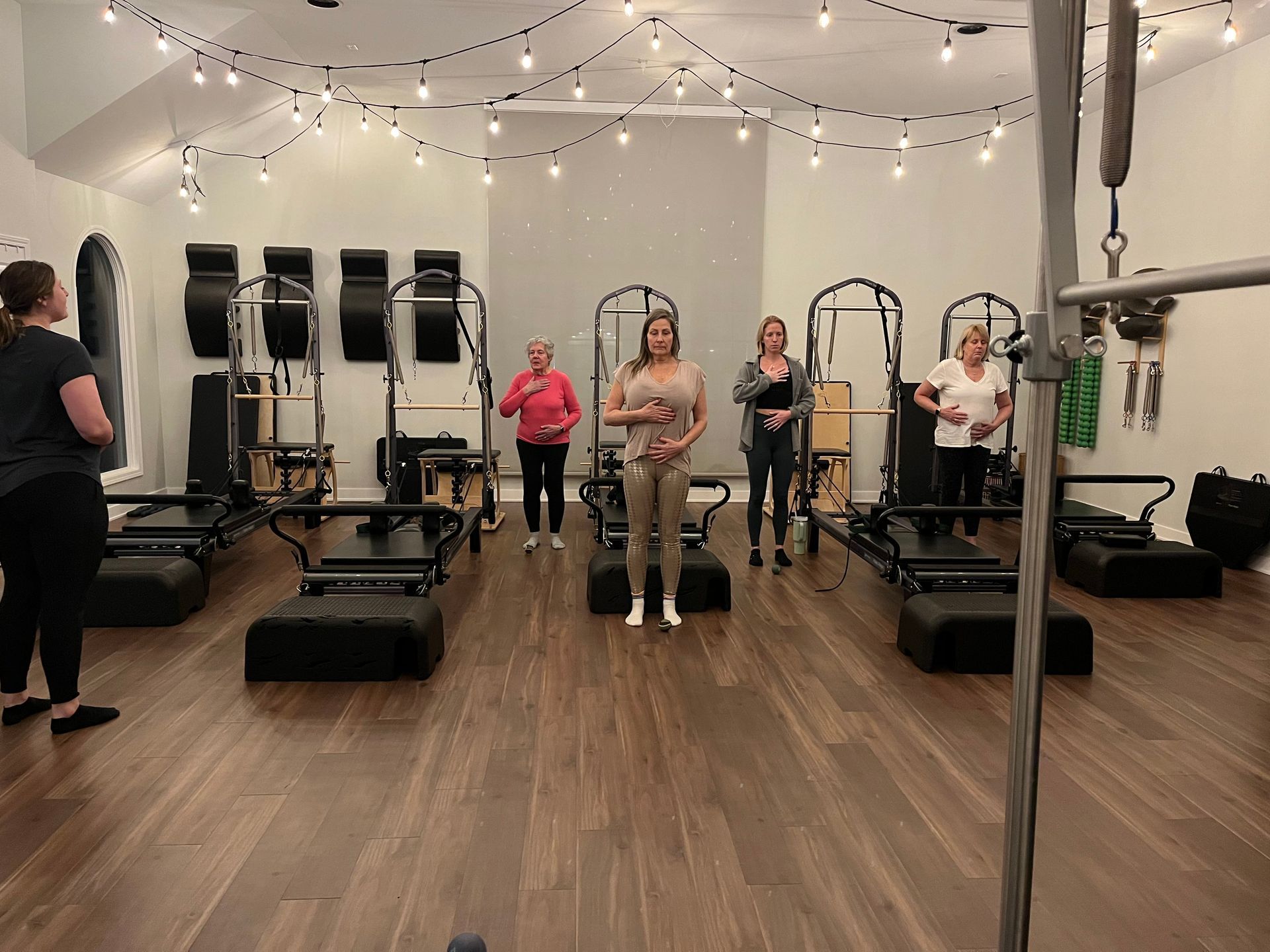
Because the reformer involves adjustable spring tension, moving parts, and a wide range of exercise variations, it should only be taught by an instructor with proper Pilates certification. Unlike many forms of group fitness, reformer instruction typically requires a comprehensive training program, often several hundred hours of study covering anatomy, exercise progressions, hands-on cueing, and safe spring and equipment setup.
The Importance of Comprehensive Certification
A qualified instructor understands not just how to demonstrate an exercise, but how to modify it for a client's body, recognize compensations before they become injuries, and set spring resistance appropriately for each individual. This level of training is what separates a classically certified reformer instructor from a general fitness instructor who has learned a handful of reformer moves. This is not merely a matter of preference: a qualitative study of certified Pilates instructors identified gaps in anatomical knowledge and calls for more rigorous, extended qualification programs as central to protecting both client safety and the credibility of the profession (Roh, 2016). Anyone considering reformer Pilates should look for an instructor with recognized classical certification to ensure both safety and quality of instruction.
The reformer apparatus is, in the end, a tool for refining the same principles Joseph Pilates built into his original mat system: control, precision, and mindful movement. Understanding it this way — not as a separate workout, but as a natural extension of classical Pilates — helps clients approach the reformer with realistic expectations and a deeper appreciation for the method behind the machine.
Ready to get started with Pilates? Rise offers a variety of Reformer Apparatus classes and more. Try a class today.